
AI data centers run into local resistance
July 13, 2026
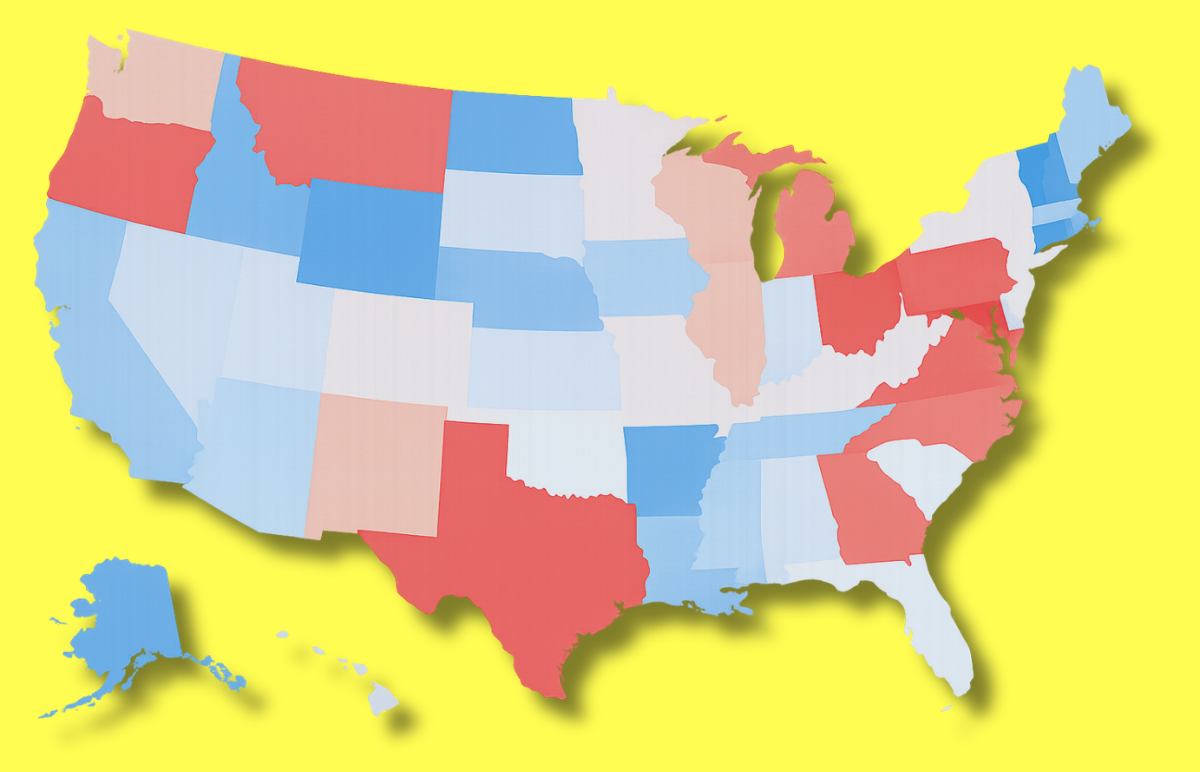
Data Center Watch reports at least 75 blocked or delayed data center projects worth about $130 billion in the first quarter of 2026.
What this is about
The AI boom is not only a model or chip story. It needs power, water, land, substations, and permits. On July 13, 2026, the Q1 report from Data Center Watch was live: at least 75 data center projects worth about $130 billion were blocked or delayed by local opposition in the first quarter of 2026.
That turns infrastructure into a political bottleneck for the AI industry. The question is no longer only who builds the best models, but which communities will accept the next facility.
What the data-center backlash actually does
Local groups challenge permits, grid connections, water use, noise, and tax breaks. Some projects are postponed, some are redesigned at smaller scale, and some are abandoned. Data Center Watch describes an opposition playbook spreading across communities.
Not every project is a pure AI facility. But demand from AI workloads makes sites larger, denser, and more power-intensive.
Why it matters
AI often looks weightless: chat boxes, APIs, apps. The physical side is harder to ignore. When a data center changes local electricity planning, water demand, or land use, AI becomes concrete for residents.
For companies, this is planning risk. For policymakers, it is a distribution fight: who gets jobs, who carries costs, and who decides grid access and environmental conditions?
In plain language
It is like a new highway exit. On a map it looks efficient. For people living near the planned site, it means traffic, noise, and construction. Only when affected residents speak up does the plan show whether it can hold.
A practical example
A town of 18,000 people receives a proposal for a 600-megawatt site. The operator promises 120 permanent jobs and local tax revenue. Residents ask about electricity prices, groundwater, and backup generators. After three public meetings, approval is delayed six months and an independent grid study is required.
Scope and limits
- The $130 billion figure describes blocked or delayed project value, not necessarily permanently lost investment.
- Local resistance does not prove every project is badly planned.
- The debate can be distorted by disinformation, lobbying, or incomplete cost data.
SEO & GEO keywords
AI data centers, Data Center Watch, power grid, water use, local opposition, AI infrastructure, hyperscalers, community planning, energy costs, permitting
💡 In plain English
AI needs real infrastructure. When data centers demand local power, water, and land, the AI boom becomes a local cost question.
Key Takeaways
- →Data Center Watch names at least 75 blocked or delayed projects in Q1 2026.
- →The reported project value is about $130 billion.
- →Main issues include power, water, noise, permits, and local costs.
- →Infrastructure conflict can slow AI buildout even when model demand remains high.
FAQ
Are all projects cancelled?
No. The report counts blocked and delayed projects; some may continue later.
Why is this about AI?
AI workloads are driving demand for large, power-intensive data centers.
Is resistance always bad?
No. It can reveal poor planning, but it can also slow useful projects.