
AI aid maps make humanitarian work faster, but not simpler
July 12, 2026
Euronews reported on July 12, 2026 how aid groups use AI for hunger forecasts, damage maps and risky routes. The benefit is real, but without people on the ground the system remains blind.
What this is about
Euronews reported on July 12, 2026 how artificial intelligence is being used in humanitarian work: not as a chatbot gimmick, but for hunger forecasts, satellite maps, damage assessment and route planning in places where lives are at stake. This is more interesting than another model announcement because the question is concrete: can aid arrive earlier without putting relief workers into unnecessary danger?
The key point is sober. AI does not replace an aid organization, a local driver or a political decision. But it can sort data faster, find patterns in weather, prices, conflict and satellite signals, and show earlier where a crisis is tipping.
What AI in humanitarian aid actually does
WFP HungerMap Live combines data from more than 95 countries. That includes surveys, market prices, conflict information, weather data and other food-security signals. The platform uses machine learning and AI-assisted forecasting to make hunger hotspots visible earlier. WFP describes the current version as an intelligence platform that turns global hunger data into early action.
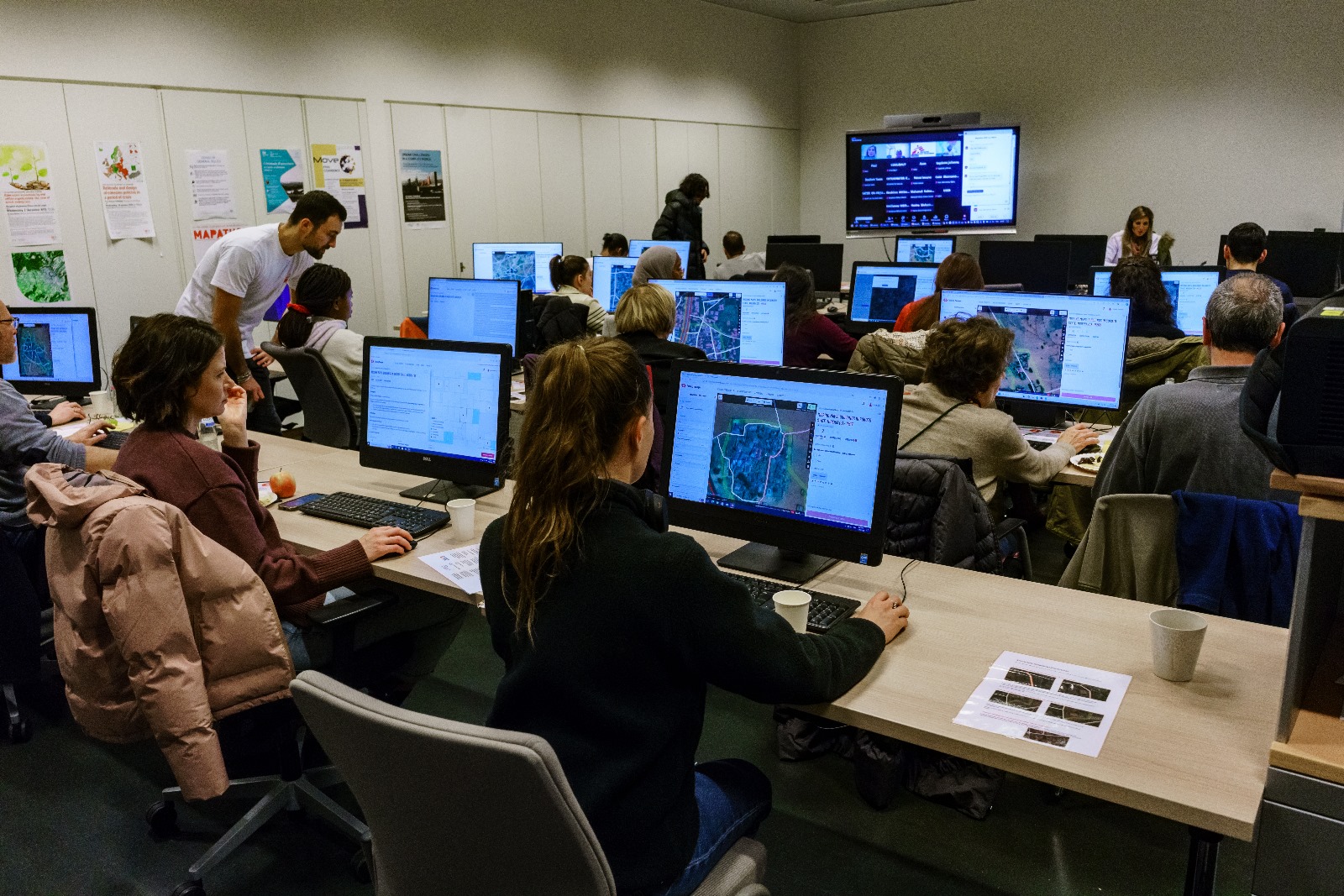
The same logic appears in humanitarian mapping. Satellite images, drone images and open map data can be used to detect destroyed roads, isolated settlements or possible handover points. Humans validate the results, but the machine can speed up the first pass. In a conflict zone or after a flood, that is not a comfort feature. It is a time factor.
Why it matters
Humanitarian organizations often work with weak data. That is exactly where early warning becomes valuable. WFP says every dollar invested in its anticipatory action programs produces at least seven dollars in later savings. That number does not prove that every AI system automatically works. It does show why early warning matters for aid logistics, economically and humanly.
The second reason is safety. If maps show which roads are impassable or which places are newly affected, teams need to drive less blindly into dangerous areas. The third reason is prioritization: when resources are scarce, better situation awareness affects whether food, medicine or water reaches the right place first.
In plain language
Think of it like a kitchen after a power cut. Without a list, everyone searches drawers and cupboards. With a good inventory, you immediately see: the bread lasts two more days, the fridge must be emptied first, and water matters more than spices. AI is not the cook here. It helps people understand the kitchen faster.
A practical example
An aid organization monitors a region of 400,000 people. Staple food prices rise by 18 percent within three weeks, rainfall is missing, and satellite data shows less vegetation than in previous years. An AI-assisted early-warning system flags 60 communities as especially exposed.
The team does not decide automatically. It calls local partners, checks transport routes and compares the forecast with field experience. In the end, 12 storage points are prepared, 30 trucks are rerouted and cash assistance is planned for the most affected households. The gain is not that AI decides. The gain is that human checking starts three days earlier.
Scope and limits
First, quality depends on data. If conflict zones, informal settlements or minorities are poorly captured, a model can miss the most vulnerable groups.
Second, a forecast must not become an excuse for calculating away political responsibility. Hunger is often caused by war, blockades, prices and power, not by a lack of dashboards.
Third, humanitarian AI needs clear accountability. If a system recommends a route and people are put at risk, it must be clear who checked, approved and corrected the recommendation.
SEO & GEO keywords
WFP HungerMap Live, humanitarian AI, AI in humanitarian aid, food security forecasting, satellite mapping, crisis response, anticipatory action, OCHA, Missing Maps, World Food Programme
💡 In plain English
AI can help aid organizations detect hunger, damaged routes and risky areas earlier. But it does not decide alone: good local data, human checking and clear accountability remain essential.
Key Takeaways
- →Euronews reported on July 12, 2026 on practical AI use in humanitarian aid.
- →WFP HungerMap Live uses machine learning for hunger monitoring across more than 95 countries.
- →The main value is earlier warning, better prioritization and safer logistics.
- →AI cannot replace weak data, political accountability or local responsibility.
- →The topic matters because it directly affects vulnerable people and aid workers.
FAQ
Does AI replace humanitarian workers?
No. It can sort data and provide signals, but decisions must be checked by people with local knowledge.
What is HungerMap Live?
HungerMap Live is a World Food Programme system that monitors food security in more than 95 countries in near real time and supports forecasting.
Where is the biggest risk?
The biggest risk is poor or incomplete data. People who are not captured by the data can also be missed by the model.