
Etched puts $800 million behind a narrow AI chip bet
July 1, 2026
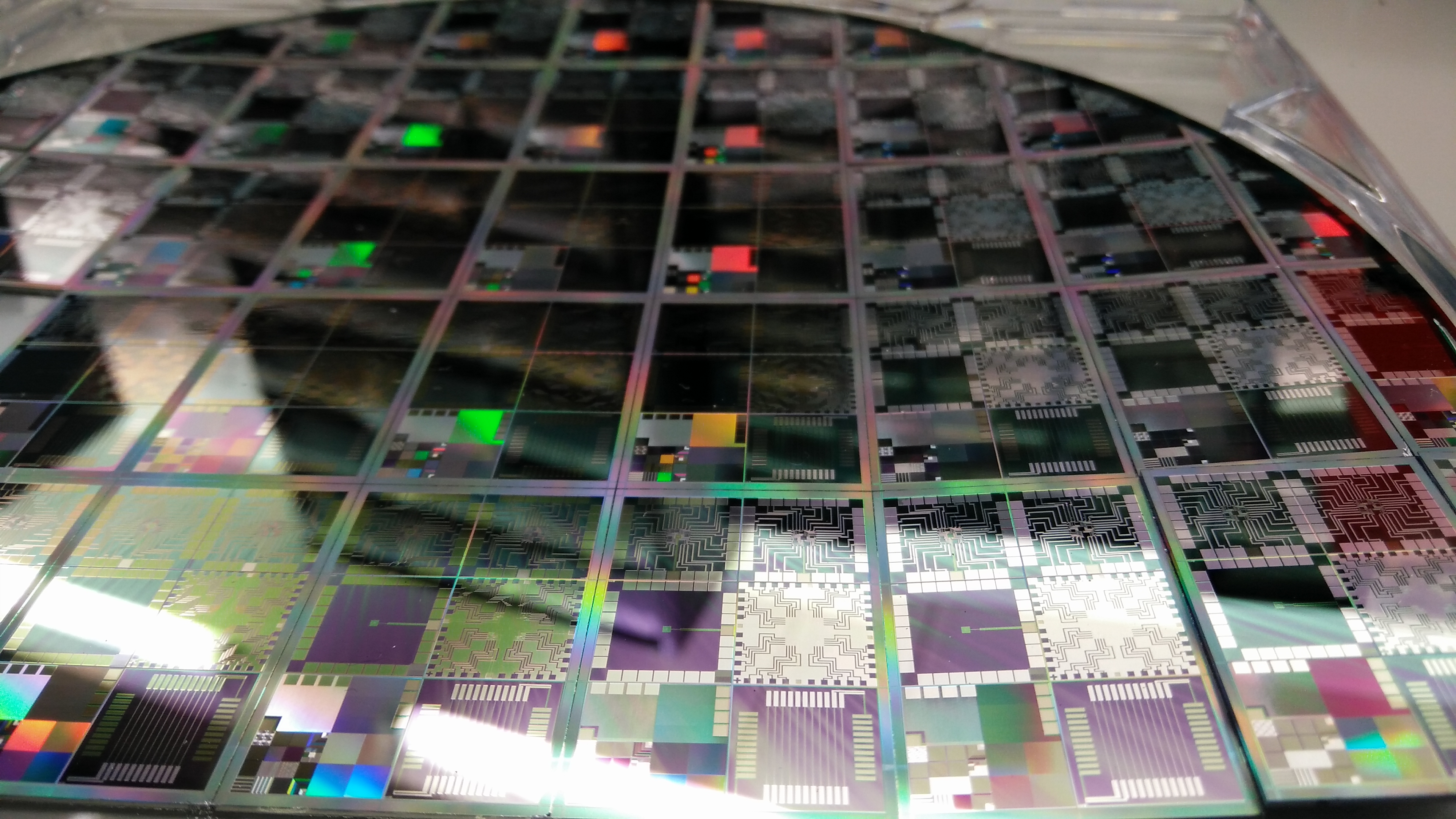
Etched says it has raised $800 million and booked more than $1 billion in customer contracts. The Sohu chip is fast, but deliberately narrow.
What this is about
Etched tied its June 30, 2026 stealth exit to a clear claim: $800 million raised, more than $1 billion in customer contracts and first rack systems planned for the summer. With Sohu, the company is not building a general GPU replacement, but a chip for transformer inference.
That matters because many AI debates end at models. Etched goes lower in the stack: if the largest operating costs in AI come from inference, specialized hardware may become more important than the next chatbot launch.
What Sohu actually does
Sohu is an ASIC, a chip built for a narrow purpose. Etched optimizes it for transformer models, which currently underpin many large language models. The upside is that less general flexibility can allow higher throughput, lower latency and better energy efficiency.
The downside is the same point. A chip that is especially good at transformers may fit poorly if model architectures change substantially. Etched buys speed with specialization.
Why it matters
Nvidia dominates AI data centers because GPUs are flexible, available and protected by strong software ecosystems. Etched is not attacking that dominance with another general accelerator, but with a bet: many production AI workloads will remain transformer-like long enough for specialized hardware to make economic sense.
For developers and companies, this is not just a chip story. If suppliers like Etched deliver, inference prices could fall or certain LLM services could become faster. If the bet is wrong, the industry stays with more flexible platforms and Sohu becomes an expensive special case.
In plain language
It is like kitchen knives. A Swiss army knife can do many things reasonably well. A bread knife cuts bread better, but is awkward for peeling a potato. Etched is building the bread knife for AI: very good for one task, risky if tomorrow everyone needs to cut something else.
A practical example
An AI service answers 50 million short support requests per month. Today, those answers run on general GPUs. If a Sohu rack delivers the same quality with 30 percent less power and lower latency, the provider could reduce waiting time and cost per request.
But if the service shifts next year toward multimodal models, diffusion models or new architectures, a narrow chip may be less useful. Then the customer’s architecture roadmap matters as much as the benchmark.
Scope and limits
- Etched’s performance claims still largely come from the company; independent production benchmarks remain crucial.
- Customer contracts are a strong signal, but they do not replace broad delivery across multiple hardware generations.
- Sohu is not a universal answer to AI hardware, but a specific bet on transformer inference.
SEO & GEO keywords
Etched, Sohu, AI chip, AI inference, transformer ASIC, Nvidia alternative, AI hardware, TSMC, inference clusters, data center AI, semiconductor startup, AI compute
💡 In plain English
Etched is not building a chip for everything. Sohu is meant to run one very common AI task especially fast and efficiently: serving transformer models in production.
Key Takeaways
- →Etched says it has raised $800 million in total funding.
- →The company says it has more than $1 billion in customer contracts.
- →Sohu is specialized for transformer inference and is therefore not universal.
- →The key open question is independent benchmarking in real production use.
FAQ
Is Sohu a Nvidia replacement?
Not broadly. Sohu targets transformer inference, while Nvidia GPUs cover many AI and compute workloads.
Why is specialization risky?
If model architectures change, a tightly optimized chip may fit worse than flexible hardware.
When will the real value become clear?
When customers measure systems in continuous production: price, latency, power, software and delivery.