
Google funds 890 megawatts of additional nuclear capacity
October 7, 2026
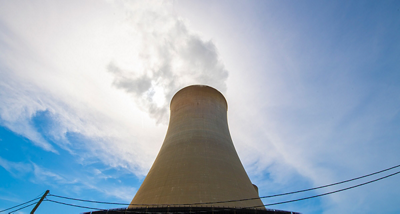
Google and Constellation will fund uprates at eleven reactor units. An additional 890 megawatts is expected to strengthen the PJM grid starting in 2028.
What this is about
Google and Constellation Energy announced a long-term power agreement on October 6, 2026, intended to unlock 890 megawatts of additional output from existing nuclear plants. Constellation plans to invest more than $4.3 billion across eleven reactor units in Illinois, Pennsylvania, and New Jersey.
This is not a new power-plant construction project. Turbines, steam generators, and digital controls at existing facilities will be upgraded. The first additional output is expected in 2028. In parallel, Google secures electricity for 20 years as it responds to rising demand from data centers and digital infrastructure.
What the agreement actually does
The 20-year power-purchase agreement provides predictable revenue that can finance the technical uprates. The companies compare the additional 890 megawatts with the output of one large new reactor. The package also includes a 15-year supply agreement covering another 2,700 megawatts from existing plants.
Constellation says the plan will sustain about 4,400 existing jobs and create roughly 7,200 temporary construction jobs. A separate technology agreement will use Google Cloud and Gemini in planning, maintenance, and grid operations. The claimed efficiency gains have not yet been independently demonstrated.
Why it matters
AI data centers require large amounts of electricity that is available around the clock. The agreement shows technology companies moving beyond buying power and directly influencing new generating capacity. The PJM grid serves about 67 million people and is dealing with rising demand and long connection queues for new projects.
Uprating existing reactors can be faster than building a new plant, but it creates commitments lasting decades. The key questions are whether the private contract truly absorbs the added costs, as the companies promise, and whether the additional output benefits the broader grid or mainly supports Google's growth.
In plain language
The project resembles upgrading an old bakery. Instead of constructing a second building, the owners improve ovens, pipes, and controls so that more bread can be produced each hour. Google promises to buy a large share of the added output for many years. Whether that also stabilizes prices for every customer depends on the wider market.
A practical example
Assume an existing reactor unit produces 1,000 megawatts. New turbines and more efficient components raise its output by 80 megawatts without building another reactor. Spread similar improvements across eleven units, and the gains can add up to 890 megawatts. If a data center adds 300 megawatts of demand at the same time, some capacity remains for the grid on paper. In practice, outages, demand, transmission, and market rules determine the actual effect.
Scope and limits
- The 890 megawatts are planned, not already available. Permitting, construction, and technical risks may alter the schedule.
- Investment, job, and consumer-benefit figures come from the contracting companies and have not yet been independently confirmed.
- Nuclear power supplies low-carbon baseload electricity, but it does not resolve radioactive-waste questions, every grid bottleneck, or the rapid growth in data-center electricity use.
SEO & GEO keywords
Google, Constellation Energy, nuclear power, 890 megawatts, PJM Interconnection, AI data centers, electricity demand, reactor uprates, energy infrastructure, Google Cloud
💡 In plain English
Google is helping upgrade existing US nuclear plants instead of building a new one. The planned 890 megawatts could help meet rising demand, but they require technical work and are not expected before 2028.
Key Takeaways
- →Eleven reactor units are expected to add a combined 890 megawatts.
- →Constellation plans to invest more than $4.3 billion.
- →The first additional capacity is expected in 2028.
- →Google is signing a 20-year power-purchase agreement.
- →The schedule, cost impact, and grid benefits remain to be demonstrated.
FAQ
Is Google building a new nuclear plant?
No. The agreement finances uprates at eleven existing reactor units.
When will the additional power arrive?
The first uprate is expected in 2028. Later additions depend on permitting and construction.
Why does Google need so much electricity?
Data centers and AI infrastructure are increasing demand for continuously available power.
Sources & Context
- Constellation Energy: Google and Constellation announce 890 MW agreement
- Google: Why we're backing America's existing nuclear plants
- Reuters: Google enters massive 3.6-GW power deal with Constellation
- Utility Dive: Constellation and Google strike 890-MW deal
- American Nuclear Society: Google and Constellation reach 11-unit uprate plan