
Always-listening AI wearables put users in a legal gray area
October 18, 2026
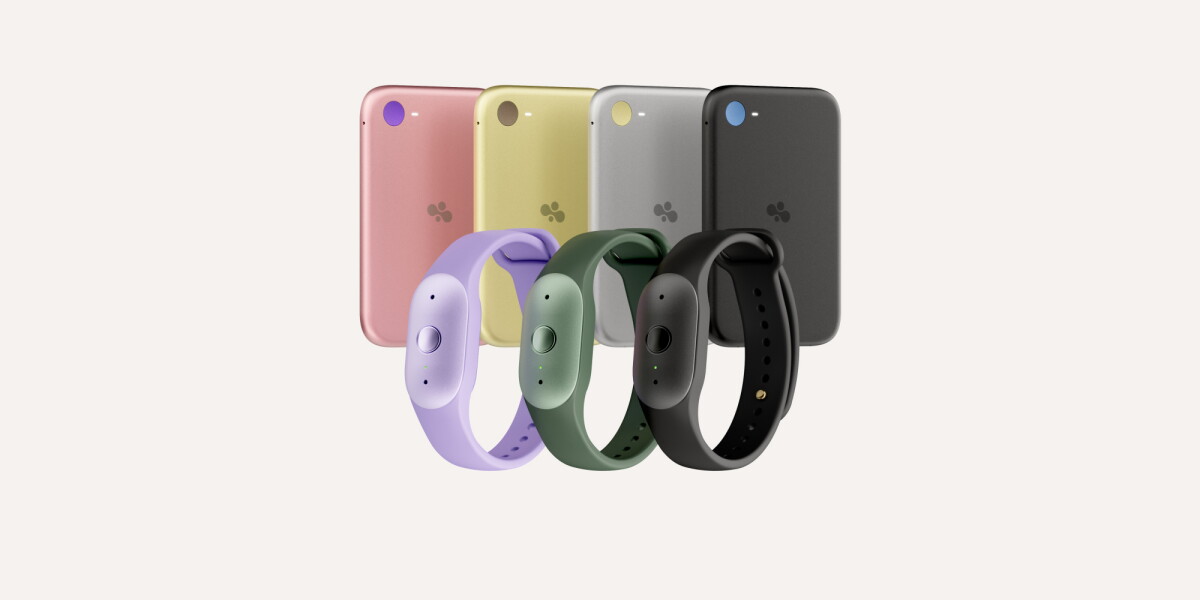
New watches, pendants, and cards automatically summarize conversations. That can aid memory, but it may capture bystanders and expose the wearer to legal risk.
What this is about
New AI wearables are designed to keep a running record of daily life: they listen to conversations, create transcripts, and turn them into reminders or summaries. Amazon introduced Bee Frontier and Bee Eclipse on October 15, 2026. Apple describes features for its current Watch that summarize everyday conversations or reconstruct short passages as text. The category also includes camera glasses, pendants, and cards from Meta, Plaud, Pocket, and Friend.
The appeal is easy to understand. People who forget appointments, names, or tasks gain an external memory. The downside affects everyone else in the room. They did not buy the device, accept its terms, or necessarily know that their words are being processed. CNBC reported on October 18, 2026 that these devices are running into partly unsettled US wiretap and privacy rules.
What the devices actually do
The products do not all work in the same way. Some record and retain audio, while others continuously process speech and, according to their makers, keep only a transcript, summary, or derived tasks. Amazon says Bee does not store audio and that conversations are processed in a protected environment. Apple similarly describes local or protected processing without permanently retained audio for certain features.
A critical technical act still takes place: a microphone receives speech, software recognizes its content, and a model compresses it into meaning. To a bystander, it may make little practical difference whether an embarrassing statement survives as audio or as an accurate written summary. For courts, that distinction may matter because statutes define recording, receiving, acquiring, and intercepting in different ways.
Visible signals also vary. Camera glasses may show a light, a pendant may have a button, and a watch may run a feature in the background. A bystander cannot reliably infer whether processing is active, where data goes, or how long results remain stored.
Why it matters
Earlier disputes involving voice assistants often centered on accidental activation. The new generation is intentionally designed to listen for longer periods. That changes the question from “Did the device record by mistake?” to “May one person automatically capture the meaning of somebody else's conversation?”
Some US states allow one participant to consent, while others can require consent from everyone involved. CNBC cites legal experts who see potential exposure even when no audio file is saved, if a system acquires the contents of a private communication. This is especially relevant in medical offices, employment meetings, schools, confidential client appointments, and private homes.
The legal risk may not sit only with the manufacturer. Depending on the place and circumstances, the wearer could be responsible. There is also a power imbalance: one person gains a searchable memory, while everybody else has little control over what is stored about them, combined with other information, or shared later.
In plain language
An AI wearable is like a notebook that writes down every conversation in the room by itself and then highlights the most important sentences in yellow. Even if that notebook immediately throws away the original audio, the content and meaning remain. People speaking beside it may therefore still feel that they were documented without being asked.
The difference from a visible notebook is uncertainty. People normally notice when somebody takes notes. With a watch, glasses, or a small card, it may be unclear when the digital note-taking starts and stops.
A practical example
A project manager wears Bee Frontier through a workday. At 9 a.m., the device summarizes a public team meeting. At 11 a.m., it hears a confidential conversation with an employee about an illness. At 2 p.m., she discusses prices with a supplier in a café. By evening, eight hours of activity have produced 24 tasks and three conversation summaries.
That is useful to the wearer: two deadlines and a promised response are not forgotten. But three questions remain. Did the employee consent to processing health information? Did the supplier know that a negotiating position was being summarized? Can the wearer reliably delete material that does not belong in a personal archive?
A cautious practice would be to visibly disable the device before confidential conversations, ask for explicit consent, and review outputs immediately. In sensitive settings, putting the device away entirely may be safer than using a software switch whose state bystanders cannot verify.
Scope and limits
First, the law is not uniform. CNBC's reporting focuses primarily on the United States and does not automatically determine the position in Germany or across the EU. Data protection, employment, and confidentiality rules may apply there depending on purpose and context.
Second, vendor descriptions of data handling are not independent audits. “No stored audio” does not fully answer which transcripts, metadata, model-derived information, or backups may remain.
Third, potential legal exposure does not mean every use is prohibited or prosecuted. An openly announced dictation in a private office is very different from covert processing in a medical practice. This article is not legal advice.
SEO & GEO keywords
AI wearables, always-on microphone, Amazon Bee Frontier, Bee Eclipse, Apple Watch, Siri Recap, privacy, wiretap law, conversation transcription, consent, bystander privacy, ambient computing
💡 In plain English
AI wearables can summarize conversations even if they do not permanently store the original audio. Wearers should ask for consent before confidential discussions or visibly put the device away.
Key Takeaways
- →New AI wearables process conversations over extended periods rather than only after a wake word.
- →A written summary can preserve sensitive content and the meaning of a conversation even without stored audio.
- →Depending on the location, legal exposure may fall on the wearer as well as the manufacturer.
- →Vendor claims such as “no stored audio” do not replace an independent review of the full data chain.
- →For confidential discussions, visible deactivation, explicit consent, and immediate review are prudent.
FAQ
Do all AI wearables permanently store audio?
No. Some vendors say they retain only transcripts, summaries, or derived tasks. Other retained data and backups depend on the product.
Is it legally safe if no audio file is stored?
Not necessarily. Some laws also cover receiving or acquiring the contents of a communication. The answer depends on location and use.
Who may be responsible for unauthorized capture?
Depending on the jurisdiction and circumstances, manufacturers, operators, or the wearer may face exposure. Specific cases require qualified legal advice.
How can users reduce everyday risk?
Ask for consent before private conversations, visibly disable or remove the device, and promptly review and delete generated transcripts and summaries.