
Meta glasses test everyday AI help for blind veterans
June 14, 2026
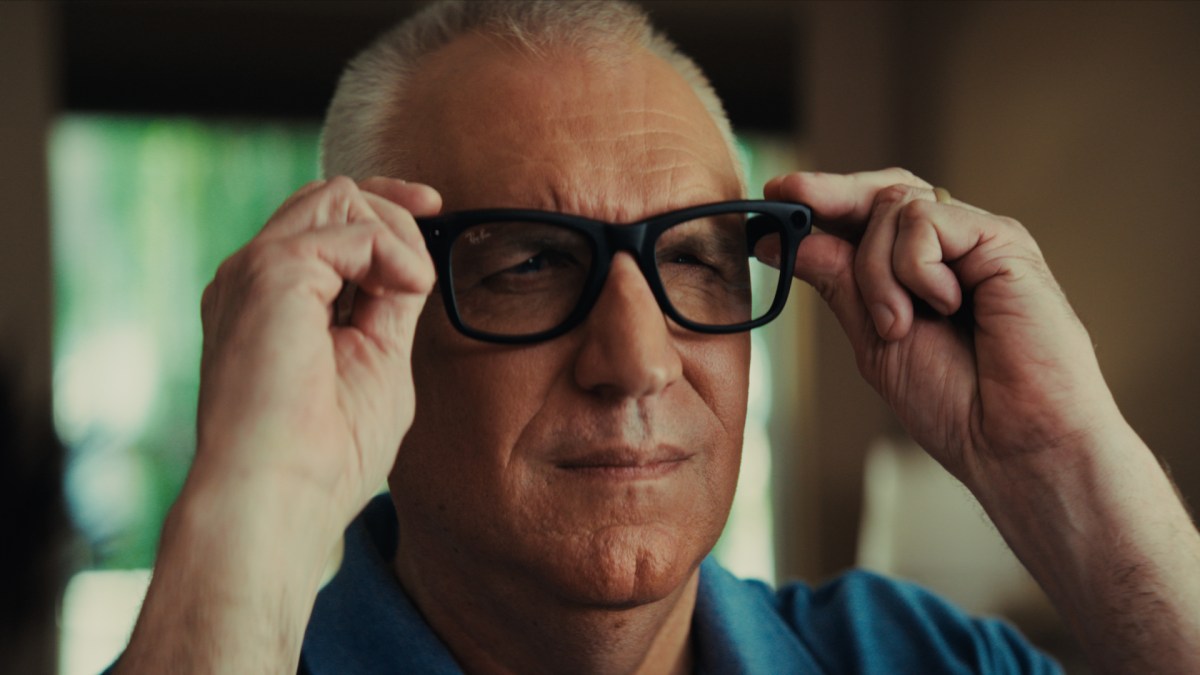
Meta wants to give Ray-Ban Meta glasses to up to 130,000 legally blind U.S. veterans. The interesting part is not the donation, but whether camera AI can reliably help in daily life.
What this is about
Meta announced on June 12, 2026 that it will donate Ray-Ban Meta glasses to every eligible legally blind veteran in the United States. The company cites a target group of more than 130,000 people. Veterans can request the glasses through the Blinded Veterans Association, while organizations can help through TechSoup.
This is more than a polished donation story. It is a large real-world test for camera-based AI in daily life: can a lightweight wearable read text, identify objects, help with phone tasks and provide orientation without forcing people to pull out a smartphone every time?
What Ray-Ban Meta actually does
The glasses combine a camera, microphones, speakers and a voice assistant. Users can ask what is in front of them, whether a document is readable or which objects are on a table. The answers come through audio, not screen text.
Meta stresses that the hardware is paired with training. BVA lists webinars, in-person events and a dedicated guide for blind and low-vision veterans. That point matters: assistive technology rarely fails because of sensors alone. It often fails because people are left alone after unboxing it.
Why it matters
For people with vision loss, it does not matter whether a model sounds impressive. It matters whether it can correctly describe a letter, a medicine label or an entrance in the real world. Meta names more than 130,000 legally blind veterans as potential recipients. At that scale, errors, support gaps and privacy questions become practical immediately.
The move is also a market signal. Smart glasses were long treated as a tech-demo category. If they become reliable in assistance, care, mobility and workplace safety, the value shifts from gadget to practical everyday help.
In plain language
Imagine packing a bag in the morning but not being able to read the labels. A good pair of glasses would be like a calm person beside you saying: this is the front-door key, this is the blue folder, this is the packet of morning medication. A bad pair would be someone who sometimes guesses confidently and gets it wrong.
A practical example
A veteran receives ten official letters per month, two medicine packages and several paper appointments. With reliable glasses, she could point the camera at a letter, hear the sender and deadline, then start a phone call by voice. If just 1 in 100 recognitions gets a critical detail wrong, she still needs clear ways to verify the result.
Scope and limits
- The glasses do not replace mobility training, a cane or human help in risky situations.
- Camera AI can be wrong in poor light, with glare, handwriting, tiny labels or partially hidden objects.
- Privacy remains sensitive because the glasses capture surroundings, including other people and private documents.
SEO & GEO keywords
Meta, Ray-Ban Meta, blind veterans, assistive AI, smart glasses, BVA, TechSoup, accessibility, wearable AI, vision loss
💡 In plain English
Meta is distributing AI glasses to blind veterans. The real test is whether the glasses are reliable enough in daily life to explain text, objects and simple tasks safely.
Key Takeaways
- →Meta names more than 130,000 legally blind veterans as potential recipients.
- →The glasses combine a camera, voice input and audio answers.
- →Training from BVA and partners is a central part of the program.
- →The value depends on reliability, privacy and support, not only on hardware.
FAQ
Who can request the glasses?
According to Meta, legally blind U.S. veterans can apply through the Blinded Veterans Association.
Is this a medical device?
This article treats it as an assistive wearable, not as a replacement for medical advice or mobility training.
Why does training matter?
Because the technology only helps when users know when to trust it and when to verify its output.