
Micron’s record quarter shows how tight AI memory has become
June 25, 2026
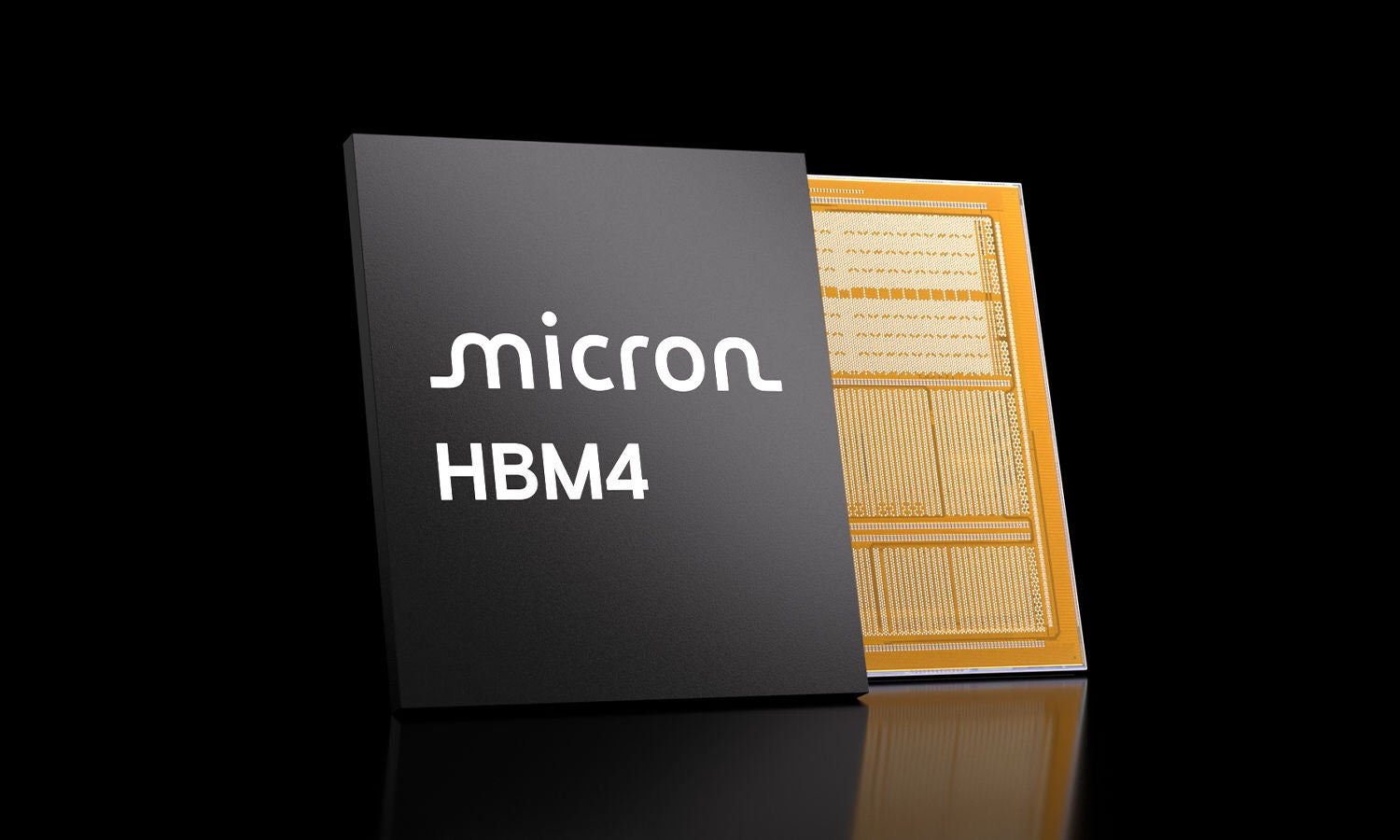
Micron reported record fiscal third-quarter 2026 results and a very strong outlook. The numbers show that AI inference consumes not only GPUs, but also enormous memory capacity.
What this is about
Micron reported record fiscal third-quarter results on June 25, 2026. In its official release, the company listed $41.46 billion in revenue and guided for roughly $50 billion in revenue for the fourth quarter. This is more than a routine chip story: it shows how deeply the AI boom is pushing into the memory market.
Many AI debates focus on GPUs. But AI training, and increasingly AI inference, need not only compute cores but fast memory paths. As models grow and more users expect answers at the same time, memory bandwidth becomes a hard infrastructure question.
What Micron actually does
Micron produces DRAM, NAND, and high-bandwidth memory. HBM is especially important for AI systems because it sits close to accelerators and delivers large amounts of data quickly. On its product page, Micron describes HBM4 as memory for next-generation AI platforms, with more bandwidth and better efficiency than HBM3E.
The company is not selling the chatbot. It is selling part of the machine room behind it. That is why the numbers matter: when the machine room becomes scarce, prices, supply chains, and the economics of AI services change.
Why it matters
AI inference shifts the load. Training large models is spectacular, but millions of daily requests create constant demand for memory, networking, and energy. If memory remains scarce, cloud providers can pass higher costs to customers or prioritize who gets capacity.
The market reaction to Micron’s numbers shows investors no longer treat memory as a dull cycle. Memory is becoming a strategic bet that AI usage will keep spreading into companies, operating systems, search, coding tools, and consumer products.
In plain language
An AI data center is like a large restaurant kitchen. The GPU is the fast cook, but the cook cannot work if ingredients do not arrive quickly enough. HBM is the conveyor belt that brings the ingredients. Micron’s numbers say that conveyor belt is in very high demand.
A practical example
A cloud provider plans 10,000 new AI accelerators for inference. If every machine needs more HBM, memory cost per server rises. Even if models become more efficient, a memory bottleneck can mean an enterprise customer pays more for 100 million monthly AI requests or waits longer for capacity.
Scope and limits
First, memory is cyclical. High prices can attract new capacity that later creates oversupply.
Second, Micron depends heavily on a small number of large AI infrastructure customers. If their buildout plans slow, the outlook can change quickly.
Third, a strong quarter does not prove every AI application is economically sound. It proves demand for infrastructure, not automatic profitability for end products.
SEO & GEO keywords
Micron, HBM4, high-bandwidth memory, AI chips, AI data center, AI inference, semiconductor supply chain, Nvidia ecosystem, data center memory, DRAM, AI infrastructure
💡 In plain English
AI data centers need more than fast processors. They need memory that keeps feeding huge amounts of data. Micron’s numbers show that this memory is becoming both a bottleneck and a profit engine.
Key Takeaways
- →Micron reported record fiscal third-quarter results on June 25, 2026.
- →The official outlook points to about $50 billion in revenue for fiscal Q4 2026.
- →HBM and data-center memory are becoming more strategic because of AI training and inference.
- →The story matters because memory prices can affect cloud costs, hardware prices, and AI margins.
- →Not every demand boom lasts: overcapacity and customer concentration remain risks.
FAQ
Why does Micron matter for AI?
Micron builds memory products such as HBM that feed data quickly to AI accelerators. Without enough memory bandwidth, expensive chips wait for data.
What was new on June 25, 2026?
Micron reported record fiscal third-quarter results and issued a very high revenue outlook for the fourth quarter.
Does this mean cheaper AI?
Not automatically. Memory scarcity can also raise cloud costs and hardware prices, even as data centers become more efficient.