
US regulator investigates Comma.ai after three deaths
September 24, 2026
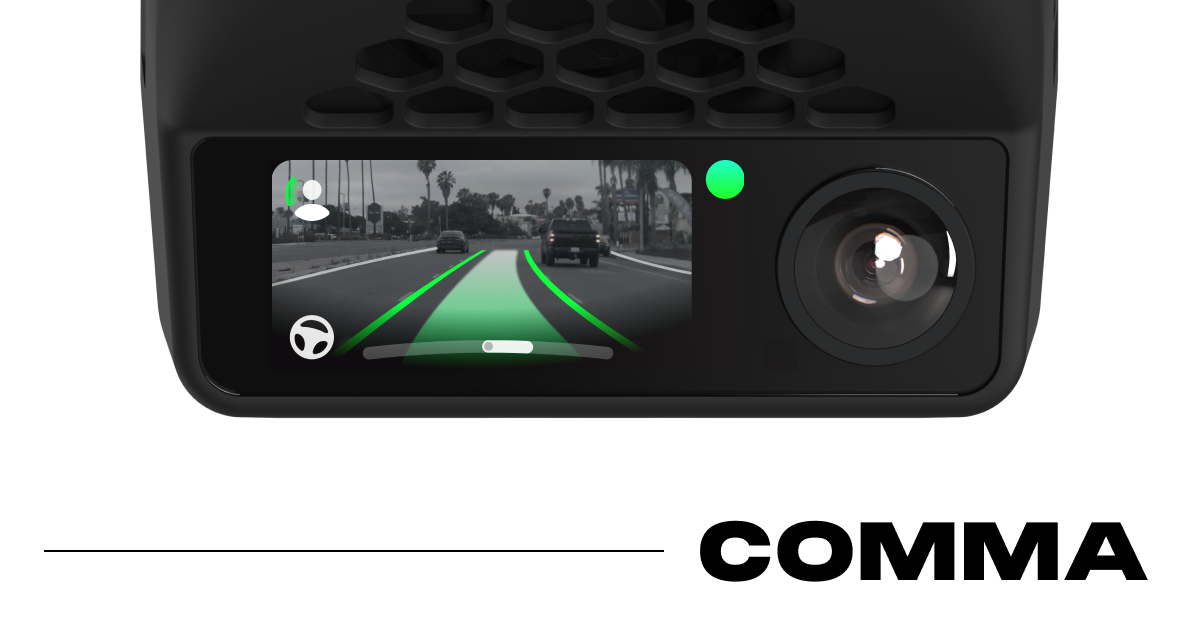
NHTSA is investigating Comma.ai devices after five crashes involving three deaths and 11 injuries. The probe focuses on detecting slow or stopped vehicles.
What this is about
The US road-safety regulator NHTSA opened a preliminary investigation into Comma.ai driver-assistance devices on September 23, 2026. Its Office of Defects Investigation says it knows of five crashes in which vehicles using Comma devices struck slow or stopped vehicles. Two crashes caused three deaths, and 11 people were injured across four of the five events.
The probe covers an estimated 65,000 Comma Two, Comma Three, and Comma Four devices. It is not proof of a technical defect. The agency is first determining the scope, causes, and roles of the hardware and software involved.
What Comma.ai and the investigation actually do
Comma.ai sells aftermarket devices that combine cameras, computing hardware, and the open-source openpilot software. In compatible cars, the system can extend built-in assistance for steering, acceleration, and braking. It remains a driver-assistance system: the person behind the wheel must stay attentive and be ready to intervene at all times.
NHTSA is focusing on situations involving slow or stationary objects in the same lane. It is also examining which software versions were running and whether modified forks were involved. According to the agency document, at least one vehicle under review used FrogPilot, a fork of openpilot not maintained by Comma.ai. That complicates attribution across a commercial device, open-source code, and third-party modifications.
Why it matters
Aftermarket systems can bring modern assistance features to older cars. At the same time, they become part of a safety-critical chain involving sensors, vehicle controls, software, driver monitoring, and human attention. A failure or misunderstanding in only one part can have severe consequences at highway speeds.
The case also raises a difficult regulatory question: who carries which responsibility when freely available code is modified, deployed on other hardware, or combined with a commercial device? NHTSA can request company records, conduct tests, and search for additional incidents. Only then will it decide whether a deeper engineering analysis or other action is warranted.
In plain language
An aftermarket assistance system is like an extra passenger who is allowed to help with the steering wheel and pedals. It may reduce strain on a long drive, but it takes neither the driver's license nor the responsibility. If it misses a stopped fire engine, the human must react in time. That is why the regulator is examining not only what the software should do, but what happened in the real combination of car, device, code, and driver.
A practical example
Imagine a driver traveling at 100 kilometers per hour on a rural road while using openpilot. A vehicle is stopped 120 meters ahead and partly blocks the lane. If the system recognizes it late or not at all, there are only a little more than four seconds before impact at that speed. Distraction, poor visibility, or a modified software version can shrink that margin further.
The investigation must therefore combine logs, camera data, vehicle state, and the driver's reaction. The mere presence of a Comma device does not establish the cause. Conversely, a driver-supervision warning is not enough if product behavior systematically encourages misplaced confidence.
Scope and limits
- NHTSA is conducting a preliminary evaluation. A defect, legal violation, or responsibility by Comma.ai has not been established.
- At least one case involved a third-party openpilot fork. Findings must not automatically be generalized to every official software version.
- Five reported crashes show potentially severe consequences, but without exposure and comparison data they do not establish a reliable crash rate.
Until more is known, users should treat driver assistance as exactly that, not self-driving. Compatibility, official software, working driver monitoring, and continuous readiness to intervene remain essential.
SEO & GEO keywords
Comma.ai, openpilot, NHTSA, driver assistance, ADAS, road safety, autonomous vehicles, FrogPilot, Comma Four, crash investigation
💡 In plain English
The US road-safety regulator is examining whether Comma.ai driver assistance may have failed around stopped or slow vehicles. Three deaths are part of the probe, but no technical cause or responsibility has been established.
Key Takeaways
- →NHTSA is investigating five crashes involving three deaths and 11 injuries.
- →The preliminary evaluation covers an estimated 65,000 Comma devices.
- →The focus is detection of slow or stopped vehicles in the same lane.
- →At least one vehicle used FrogPilot, a third-party fork of openpilot.
- →The investigation has not yet established a defect or responsibility.
FAQ
What is NHTSA investigating at Comma.ai?
The agency is examining five crashes in which vehicles using Comma devices struck slow or stopped vehicles.
Is openpilot autonomous driving?
No. It is a driver-assistance system, and the person behind the wheel must remain attentive and ready to intervene.
Has the agency confirmed a defect?
No. This is a preliminary evaluation intended to determine scope, causes, and the versions involved.
Why does FrogPilot matter?
FrogPilot is an openpilot fork not maintained by Comma.ai. Third-party changes can affect behavior and complicate responsibility.