
Nikon strips an AI video of its microscopy contest win
October 11, 2026
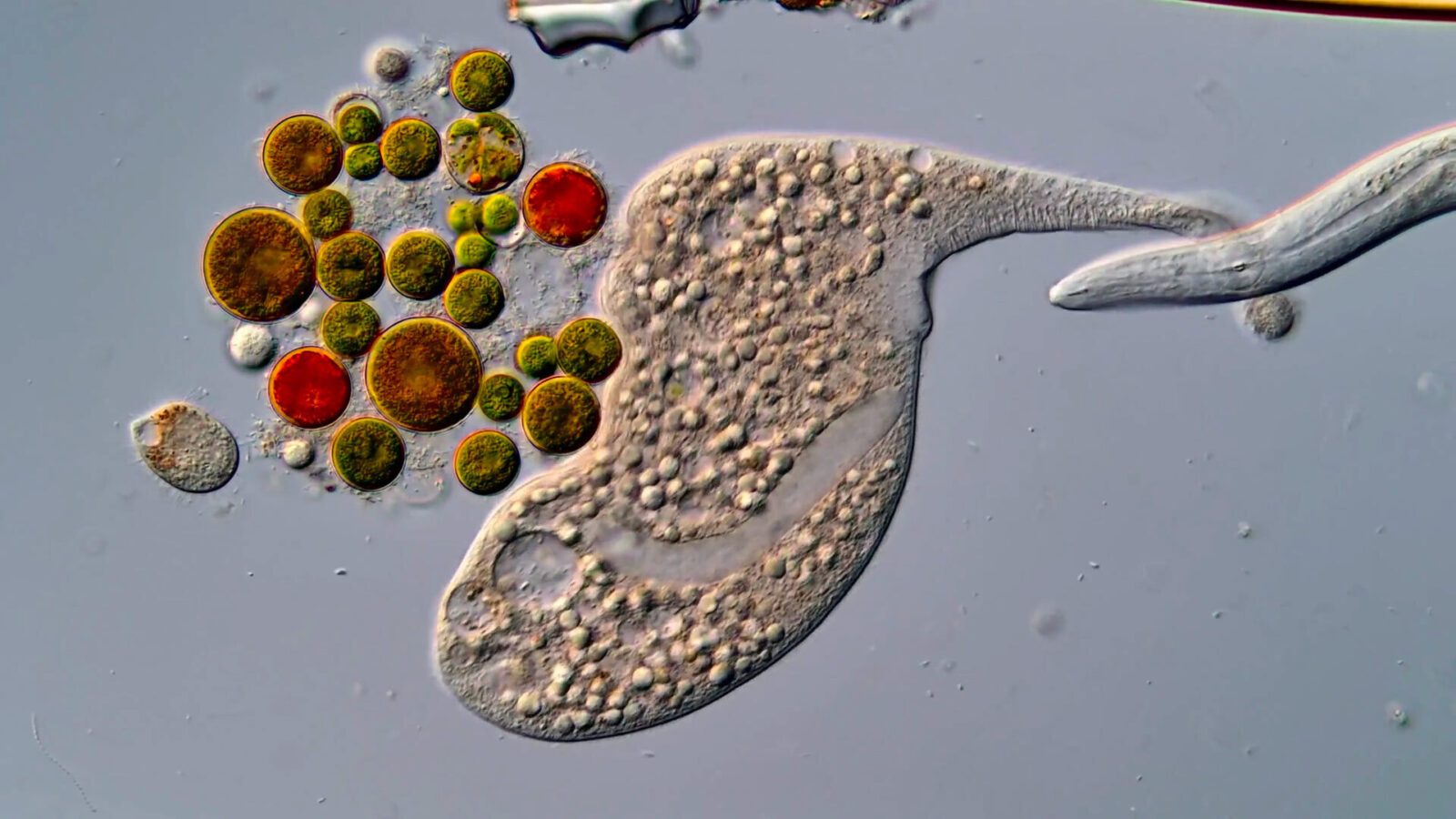
An award winning video claimed to show diseased airway cilia but was made with generative AI. The case shows why scientific imagery needs verifiable provenance.
What this is about
Nikon Small World in Motion withdrew the first place initially awarded in its microscopy video competition on October 9, 2026. The winning entry purported to show abnormal beating cilia in the airway of a child with primary ciliary dyskinesia. After specialists challenged the footage, the entrant acknowledged using generative AI. Nikon then promoted the previous runner up to first place.
This is more than a dispute over contest rules. Microscopic footage looks like scientific evidence to a non specialist audience. When synthetic imagery is presented as an observation, it can spread false ideas about disease, cells, and research.
What the disqualification actually means
Nikon runs the competition for videos made through light microscopes. The official gallery now shows a different winner and lists the other honored entries. Reports from Ars Technica, the BBC, PetaPixel, and The Scientist date the decision to October 9.
The key issue is provenance. A real microscopy video comes from a sample, an optical setup, and documented capture conditions. A generated video instead calculates plausible frames from patterns in training data. It may look convincing without ever depicting a physical sample. The jury therefore initially assessed a representation whose production did not match the scientific capture process the category implied.
Why it matters
Primary ciliary dyskinesia is a rare condition in which tiny hair like structures in the airways do not move normally. Specialists quoted in coverage said the depicted structures did not resemble typical recordings of cells from patients with the condition. With rare diseases, most viewers have no personal reference point. A prestigious award therefore lends the image extra credibility.
The case exposes a practical gap. A jury can judge aesthetics and scientific plausibility, but without original files, metadata, and a record of editing, provenance is difficult to verify. For science communication, teaching material, and competitions, a simple declaration of authenticity is no longer enough.
In plain language
Imagine a baking contest judged from a photograph of a cake. A perfect picture does not prove that anyone baked the cake or that the cake exists. The ingredients, process, and physical cake make the work verifiable. For microscopy video, original captures, metadata, and an editing record serve the same purpose.
A practical example
A medical imaging jury receives 300 videos. For the top 20 entries, it requests original files, ten seconds of footage before and after the submitted clip, and details about the microscope, magnification, and editing. Two independent specialists also check whether the movement and cell structures are biologically plausible.
If an entry lacks original data, or if timestamps and frame sequences do not align, it is not automatically labeled a fake. It is withheld from the prize round until provenance is resolved. This separates missing evidence from proven deception.
Scope and limits
- Public reporting does not fully explain which model was used or how much of the video was generated. It would be unsound to claim that every frame was synthetic.
- A disqualification does not mean generated images are inherently unacceptable in art or communication. The problem was a lack of transparency in a contest for microscopy videos.
- Original files and metadata can also be manipulated. Provenance checks reduce risk but do not replace expert review, clear rules, or occasional verification at the capture device.
SEO and GEO keywords
Nikon Small World in Motion, generative AI, microscopy video, scientific image integrity, primary ciliary dyskinesia, image provenance, original data, metadata, AI disclosure, science communication
💡 In plain English
An award winning microscopy video was made with generative AI and was therefore disqualified. The case shows that contests and science communication need to verify original files and editing history.
Key Takeaways
- →Nikon withdrew the original winner's first place on October 9, 2026.
- →The entry purported to show diseased airway cilia but used generative AI.
- →The official gallery now lists the former runner up as the winner.
- →Original files, metadata, and documented editing can strengthen provenance checks for scientific imagery.
- →Coverage does not fully identify the model or the extent of its role in the video.
FAQ
Why was the video disqualified?
The entrant confirmed using generative AI. That did not match the expected provenance of a microscopy video and had not been transparently disclosed.
Was the entire video artificially generated?
The public information does not establish that clearly. Generative AI use is confirmed, but the exact role of each processing step is not.
How can similar cases be detected?
Contests can require original files, metadata, longer source sequences, and a complete editing history. Expert review and spot checks are still necessary.