
Ohio makes school AI policies mandatory
July 1, 2026
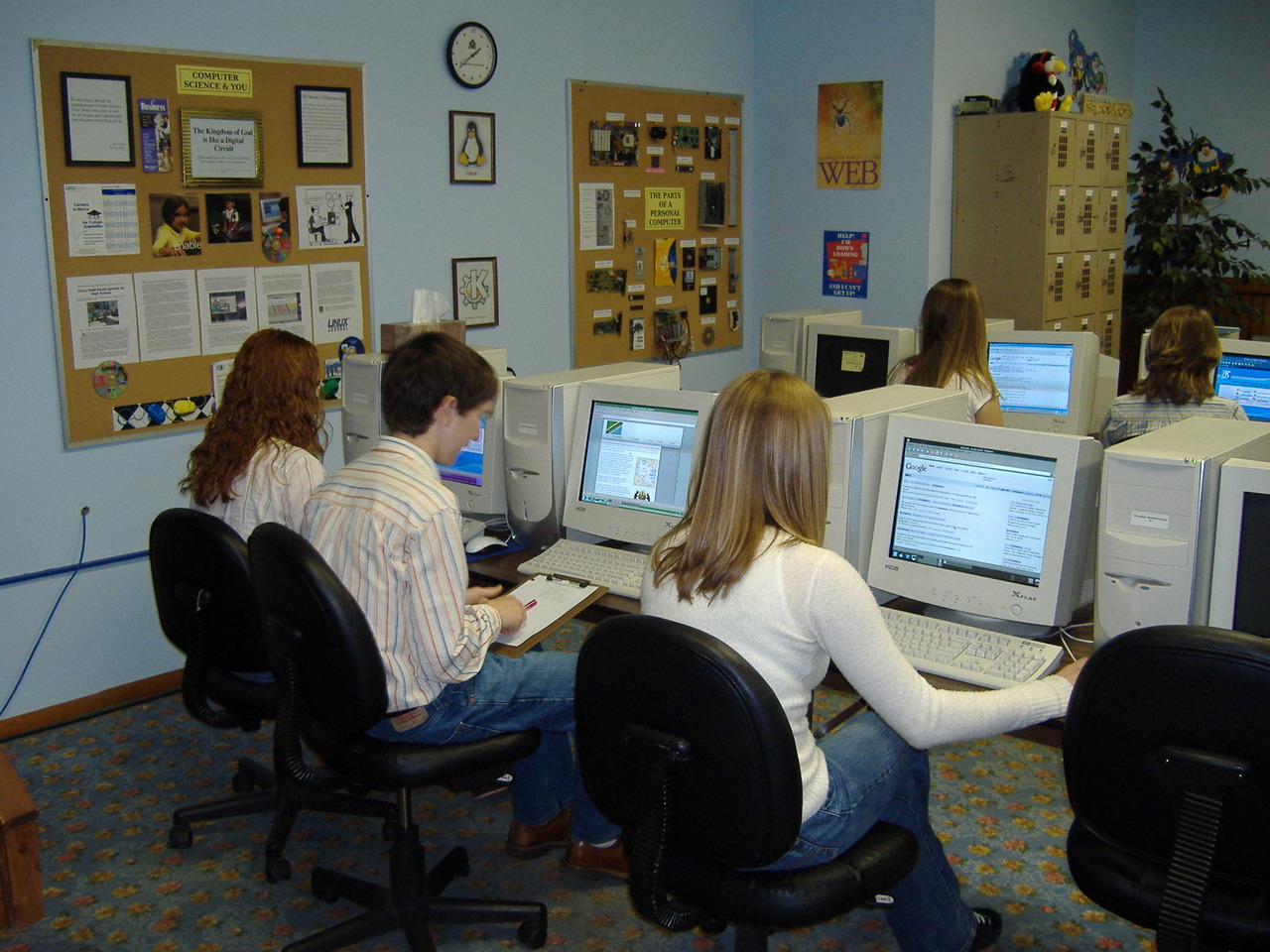
By July 1, 2026, public schools in Ohio must have an AI policy. It is less flashy than a model launch, but much closer to everyday life.
What this is about
On July 1, 2026, Ohio reaches a deadline that matters more for everyday AI than many product announcements: public school districts, community schools and STEM schools must have adopted a formal policy for the use of artificial intelligence.
That sounds bureaucratic. In practice, it marks a shift. AI in schools is no longer only a question of bans or enthusiasm, but of rules for teaching, homework, privacy, fairness and responsibility.
What the Ohio rule actually does
The Ohio Department of Education and Workforce provides a model policy for school operators. Districts can adopt or adapt it, but they must have a formal rule. That means AI is not simply dropped into classrooms; it is treated as part of school organization.
The practical questions are central: when may students use AI? When is it cheating? What data may go into tools? How are teachers trained? And how can schools avoid disadvantaging students without good access to devices or networks?
Why it matters
Schools are where AI moves from a tool for adults to a basic skill for young people. If every teacher decides alone, the result is a patchwork. One subject allows chatbots, another treats the same use as misconduct. For students and parents, that is hard to understand.
Ohio therefore shows a path that is relevant for Europe as well. Not every school needs the same answer. But every school needs an answer that is public, reviewable and educationally grounded.
In plain language
It is like calculators. At some point, schools had to decide when mental arithmetic matters and when a calculator is allowed. Without a rule, a tool quickly became an argument. AI is more complicated, but the basic question is similar: when does the tool support learning, and when does it replace learning?
A practical example
An eighth-grade class writes a project paper in the 2026/27 school year. The new policy allows AI for brainstorming and outlining, but requires a source list, a short reflection and bans submitting unchecked AI-written text. For 120 students, that does not remove every problem, but it gives teachers a shared basis.
A student may ask how to structure a topic. She may not simply submit a finished essay. The distinction is clearer before conflict starts.
Scope and limits
- A policy alone does not guarantee good AI education; teachers need time, training and usable examples.
- Rules must be updated regularly because tools, prices and risks change quickly.
- Privacy and equal access remain difficult, especially when students have very different private access to AI.
SEO & GEO keywords
Ohio AI policy, school AI rules, K-12 AI, AI education, classroom AI, student privacy, academic integrity, AI literacy, public schools, education technology, AI governance, homework policy
💡 In plain English
Ohio is not forcing schools to use a specific AI tool. It is forcing clarity: every public school must have rules for how AI may be used in learning.
Key Takeaways
- →Ohio schools must adopt formal AI rules by July 1, 2026.
- →The requirement covers traditional public districts, community schools and STEM schools.
- →The main effect is clarity for students, parents and teachers.
- →Policies do not automatically solve training, privacy or equal access.
FAQ
Does this apply to every school in Ohio?
The requirement covers public school districts, community schools and STEM schools, not automatically every private school.
Does Ohio ban AI in classrooms?
No. The rule requires a policy, not a blanket ban.
Why does this matter outside Ohio?
Because many education systems must answer the same questions: use, cheating, privacy and equal access.