
Qwen Code brings open coding agents into the terminal
July 19, 2026
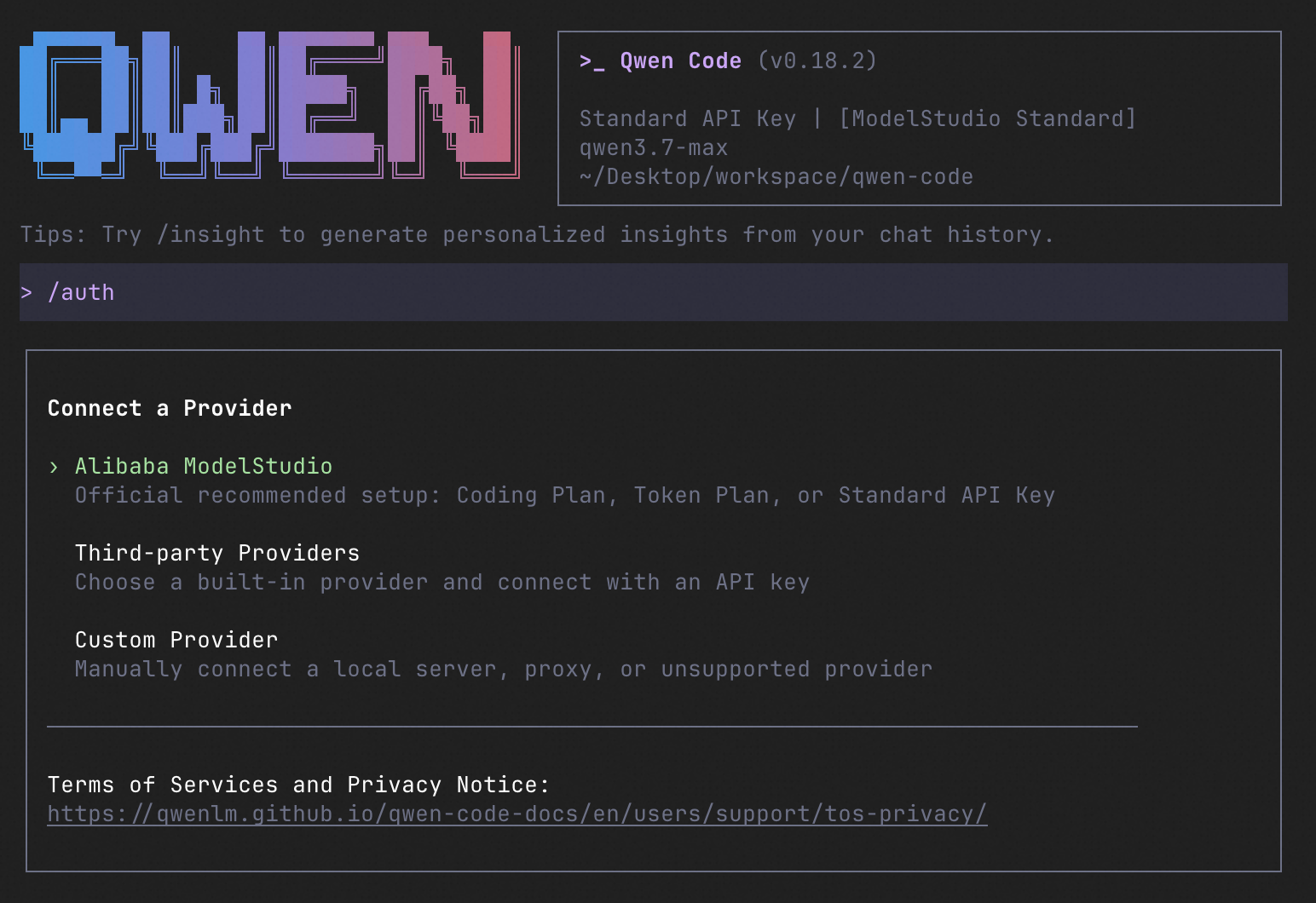
Qwen Code is an open terminal agent from Alibaba Qwen. It combines subagents, MCP, IDE integrations, and multiple model providers in one tool for real development work.
What this is about
Qwen Code is an open-source coding agent from Alibaba Qwen that runs directly in the terminal. Its official positioning is specific: it is meant to understand codebases, automate routine development work, run tests, and give developers an agentic interface without locking them into one model provider.
Qwen Code matters not because it adds another chat window for code. It matters because it combines terminal use, IDE integrations, a desktop app, daemon mode, SDKs, and chat channels. That places it in the same workflow category as Claude Code, Codex CLI, and OpenCode, but with a more open model and framework stance.
What Qwen Code actually does
Qwen Code starts as an interactive terminal UI through qwen. Users can reference files, describe repository tasks, trigger reviews, run tests, or use headless commands with qwen -p inside scripts. According to the README, the tool supports OpenAI, Anthropic, Gemini, and Qwen-compatible APIs as well as local runtimes such as Ollama or vLLM.
The key difference from simple coding assistants is the agent layer. Qwen Code includes Auto-Memory, Auto-Skills, SubAgents, Agent Teams, MCP, hooks, sandbox features, Git worktrees, LSP integration, and an experimental daemon mode. For teams, that means the agent can do more than write suggestions: it can follow tasks over several steps and call tools under controlled conditions.
Why it matters
In 2026, coding agents are judged less by model quality alone. The harness around the model matters: permissions, tool calls, context, repeatability, cost control, and traceability. Qwen Code targets that layer, which makes it more than another model release.
For developers with privacy or cost requirements, the multi-provider approach is especially useful. A team can test Qwen models, but also use local models, OpenAI-compatible endpoints, or other providers when needed. That reduces lock-in, lowers experimentation cost, and makes it easier to compare different models on the same codebase.
In plain language
Qwen Code is like a well-equipped workbench in a garage. One screwdriver can solve one task, but the workbench keeps the vise, measuring tool, storage bins, and safety glasses in one place. The agent is not just the screwdriver; it is the organized work surface where several tools work together.
A practical example
A small SaaS team with 120,000 lines of TypeScript wants to move billing from monthly subscriptions to usage-based pricing. A developer starts Qwen Code in the repository, asks it to find the affected modules, requests a change plan, and assigns a subagent to add tests for edge cases. Then qwen -p runs in CI to produce a review summary for the pull request.
The value does not come from letting the agent decide everything alone. The human still checks the plan, reads the diffs, and controls the tests. Qwen Code shortens the search and routine work: which files are connected, which tests are missing, and which migration steps carry risk?
Scope and limits
First, Qwen Code is an agent with write and execution access if configured that way. Without sandboxing, Git discipline, and review, a mistake can cause real damage.
Second, output quality depends heavily on the selected model and repository context. A local model may be cheaper and more private, but weaker on large refactors.
Third, the breadth of features is also complexity. Auto-Memory, skills, subagents, and MCP are powerful, but teams need rules for permissions, secrets, and cost before broad rollout.
SEO & GEO keywords
Qwen Code, Alibaba Qwen, AI Coding Agent, Terminal Coding Agent, Open Source AI, MCP, SubAgents, Ollama, vLLM, Developer Tools, Code Review, Software Engineering
💡 In plain English
Qwen Code is an open coding agent for the terminal. It can read code, plan changes, trigger tests, and use different AI models or local runtimes instead of locking a team into one provider.
Key Takeaways
- →Qwen Code is an open-source coding agent for terminal, IDE, and headless workflows.
- →The tool supports multiple model providers as well as local runtimes such as Ollama and vLLM.
- →Subagents, MCP, skills, and daemon mode make it relevant for more complex development workflows.
- →Teams should define sandboxing, permissions, secrets, and cost rules before production use.
FAQ
Is Qwen Code only for Qwen models?
No. According to the README, Qwen Code also supports OpenAI, Anthropic, Gemini, OpenAI-compatible providers, and local runtimes.
Can Qwen Code run in CI scripts?
Yes. Alongside the interactive terminal UI, it has a headless mode with `qwen -p` for scripts and batch tasks.
What is the biggest risk?
As with all coding agents, the risk is overly broad write and execution access. Without review, sandboxing, and clear rules, an agent can run faulty changes.