
Samsung and Google put Gemini into everyday glasses
May 21, 2026
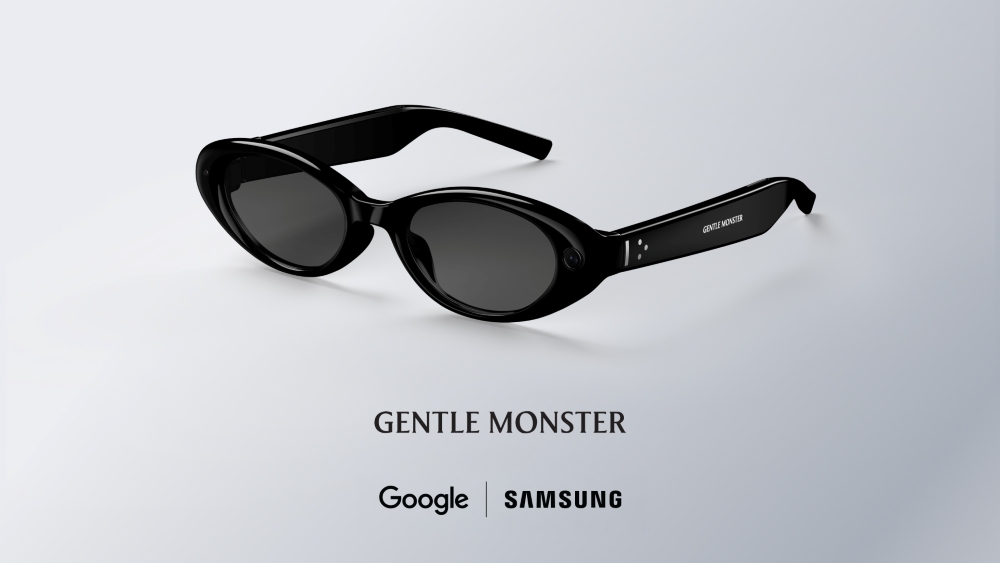
Samsung and Google showed smart glasses with Gemini and designs by Warby Parker and Gentle Monster. The interesting point is not the glasses alone, but whether AI moves from the phone into the user’s field of view.
What this is about
Samsung Electronics and Google showed new intelligent eyewear at Google I/O on May 19, 2026. The first designs are being created with Gentle Monster and Warby Parker and are scheduled to launch in selected markets in fall 2026.
This is more than another gadget: Google and Samsung are trying to move AI out of the chat window and into a constant companion for daily life. According to Samsung, the glasses remain a companion to the smartphone, but they bring voice, camera, notifications and translation closer to the moment of use.
What the glasses actually do
The glasses are meant to be controlled by voice through Gemini. Samsung lists navigation, suggestions on a walking route, pickup orders, summaries of important messages, calendar entries, photos and translations of speech or visible text as examples.
The form factor matters: this is not a heavy mixed-reality headset, but eyewear that is meant to feel like a fashion product. Gentle Monster brings bolder designs, while Warby Parker brings more classic frames. Google contributes Android XR and Gemini, Samsung contributes hardware and Galaxy integration.
Why it matters
If AI glasses work, app interaction changes. Users no longer need to pull out a phone, unlock it, open an app and type for every small task. A question, a glance at a sign or a short voice command could be enough.
For real people, this is interesting because it touches three conflicts at once: convenience, privacy and social acceptance. Nobody wants to feel constantly recorded in public. At the same time, navigation, translation and quick reminders are exactly the situations where a screen in the hand is often inconvenient.
The market is strategically important too: Meta already has a visible position with Ray-Ban smart glasses. Samsung and Google are now trying to combine Android, Gemini and eyewear design before a new mobile interface hardens around someone else’s ecosystem.
In plain language
Imagine packing a suitcase. The smartphone is like a thick travel guide you keep pulling out of your bag. The glasses would be like a quiet companion beside you saying: “Your gate is on the left, the menu says vegetarian, and Anna’s message is urgent.”
The difference is not that AI can suddenly do everything. The difference is that it is closer to the moment when you need it.
A practical example
A tourist walks through Seoul. She asks the glasses for the way to the nearest subway station, looks at a Korean sign and gets a translation shown or read aloud. On the way, Gemini says a meeting starts in 20 minutes and suggests a faster exit.
In a workday, a field employee could dictate ten short notes, find three addresses and read two foreign-language notices without operating the phone each time. That does not save hours, but it removes friction from many small moments.
Scope and limits
- Product details are still open: Samsung mentions fall 2026 and selected markets, but not pricing, battery life or full specifications.
- Privacy is the hard test. A camera, microphone and AI on someone’s face require clear signals, data rules and social norms.
- The glasses do not replace the smartphone. Samsung explicitly describes them as a companion device, not an independent computer.
SEO & GEO keywords
Samsung, Google, Gemini, Android XR, AI glasses, smart glasses, Warby Parker, Gentle Monster, Meta Ray-Ban, wearables, consumer AI, Google I/O 2026
💡 In plain English
Samsung and Google are testing whether AI can move from the phone into normal-looking glasses. That could help with navigation, translation and short tasks. The big unresolved issue is privacy.
Key Takeaways
- →Samsung and Google showed Gemini-based intelligent eyewear on May 19, 2026.
- →The first designs are being developed with Gentle Monster and Warby Parker.
- →Selected-market availability is planned for fall 2026, while pricing and battery details remain unknown.
- →The practical value is navigation, translation, notifications and short voice tasks.
- →Privacy and social acceptance will decide whether this becomes more than a gadget.
FAQ
When are the glasses supposed to launch?
Samsung says fall 2026 in selected markets. Exact countries, pricing and specifications have not been announced yet.
Is this a smartphone replacement?
No. Samsung describes the glasses as a companion device that works with the phone and the Galaxy ecosystem.
Why is this relevant?
Because it could move AI from apps into everyday moments: directions, translation and short tasks without constant typing.