
Seattle Hits Pause on New AI Data Centers
June 10, 2026
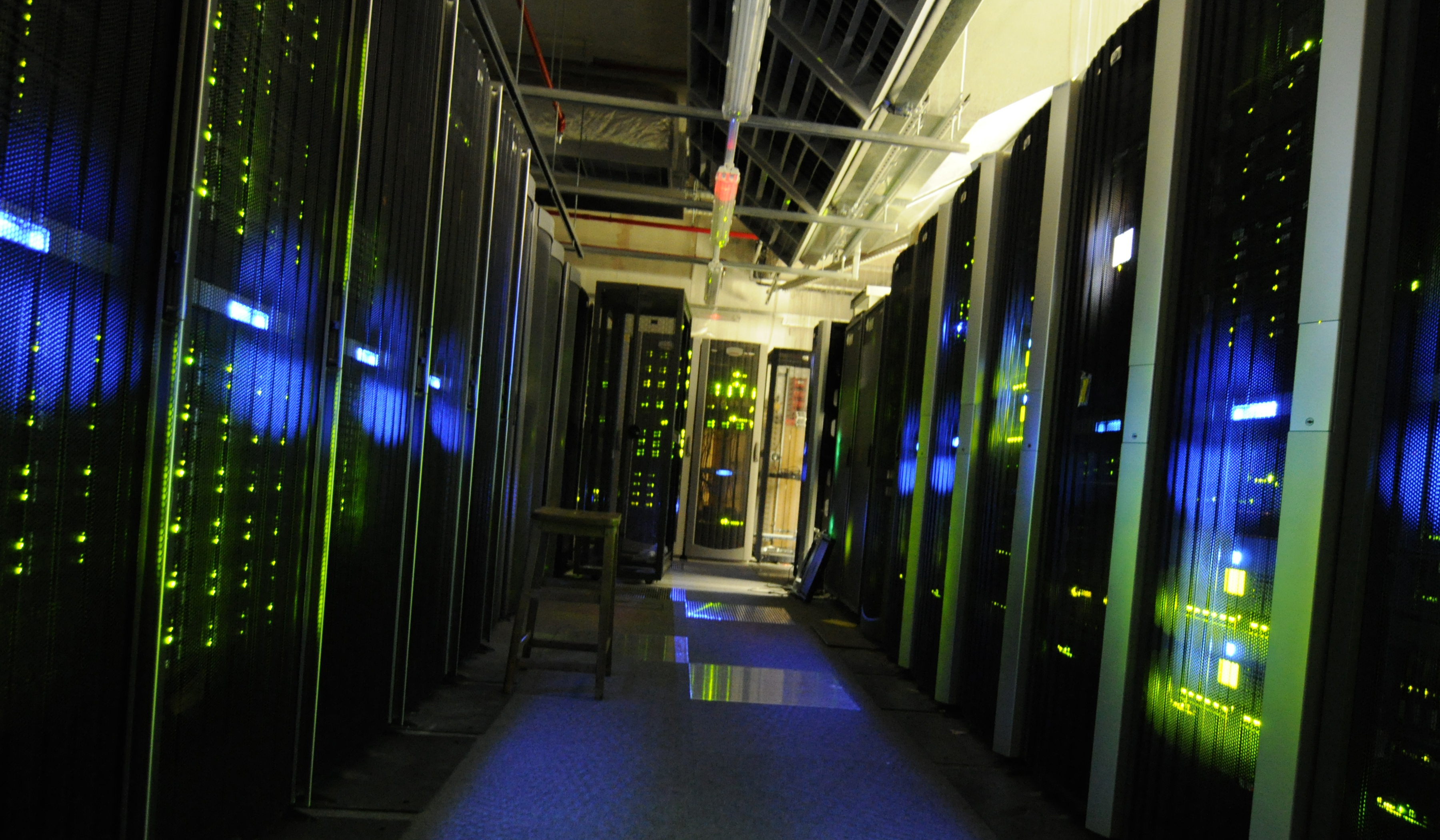
Seattle’s city council has paused new large data centers for one year. The city wants rules for power grids, environmental impact and public costs before approving more capacity.
What this is about
Seattle voted on June 9, 2026, to impose a one-year emergency pause on new or expanded large data centers. The city council approved two measures unanimously after proposed large facilities in the region triggered public pushback. The decision matters because Seattle is not a random city: Amazon and Microsoft shape its jobs, infrastructure and political debate about AI.
The decision is not a permanent ban on data centers. It is a 365-day stop sign while the city writes rules for power demand, siting, environmental impact, labor standards and public benefit.
What the measure actually does
The moratorium is meant to stop new large data centers from being approved before Seattle has durable regulation. The council is targeting large facilities that can create major electricity loads. As early as April 30, the city said the pause should be used to study infrastructure, economic and public-health effects.
In parallel, the policy framework asks Seattle City Light to develop a large-load policy. The practical question is simple: who pays for grid connections, extra power procurement and follow-on costs when AI data centers suddenly need electricity at neighborhood scale?
Why it matters
AI is often described as a software story. It is increasingly an infrastructure story. Large models need servers, cooling, power contracts, fiber, land and permits. Seattle shows that the physical side of AI is now becoming political.
For residents, this is not about abstract model benchmarks. It is about electricity bills, noise, land use, water demand, climate targets and whether local communities receive any benefit from facilities that often create relatively few permanent jobs. For technology companies, the vote is a warning: AI buildout can no longer be treated only as a private site-selection decision.
In plain language
It is like a city discovering that several huge bakeries suddenly want to connect their ovens to the same power grid. Bread is useful, but if the ovens draw enough electricity that neighbors fear higher costs or grid strain, the city has to decide who pays for the wires and what rules apply. Seattle is not saying: no bakeries. Seattle is saying: house rules first, then new giant ovens.
A practical example
Imagine five proposed AI data centers whose combined load approaches a large share of the city’s daily electricity use. Without clear rules, grid upgrades, transformers and new power purchasing could fall on public utilities and indirectly on ratepayers. With a moratorium, the city can require an operator above a 10-megawatt threshold to provide cost contributions, noise controls, transparency on water and power use, and binding emergency plans.
For a local software company, little changes: cloud services continue. For operators of new large facilities, much changes: they have to show that the site works not only for shareholders, but also for the city.
Scope and limits
- The vote does not solve AI’s energy demand. It delays possible projects while Seattle defines rules.
- It does not automatically affect existing facilities or small server rooms; it targets large new loads.
- Local action can shift the problem elsewhere: if data centers are not built in Seattle, they may move to less regulated regions.
Still, the decision is a clear political marker. AI infrastructure is now being negotiated where power grids, urban planning and residents’ interests meet.
SEO & GEO keywords
Seattle, AI data centers, data center moratorium, power grid, Seattle City Council, Amazon, Microsoft, infrastructure policy, energy demand, AI regulation, urban planning, large-load policy
💡 In plain English
Seattle is slowing down new large data centers until it knows what burden they place on the power grid, the environment and residents. This is not an AI ban; it is an infrastructure pause with political consequences.
Key Takeaways
- →Seattle unanimously approved a one-year pause on new or expanded large data centers on June 9, 2026.
- →The vote responds to concerns about power load, environmental impact, noise and public benefit.
- →The city plans to use the moratorium to develop rules for large electricity users and siting.
- →For AI companies, the case shows that data centers increasingly need local political acceptance.
FAQ
Is Seattle banning AI?
No. The measure temporarily pauses new or expanded large data centers, not AI use or existing cloud services.
Why does this matter outside the US?
European cities face the same questions about energy, land and grid costs for AI infrastructure.
How long does the pause last?
The emergency rule is designed for 365 days while Seattle prepares new rules.
Sources & Context
- Seattle City Council: City Council passes emergency data center moratorium and policy framework
- The Guardian: Seattle enacts year-long ban on new AI datacenters
- GeekWire: City Council votes unanimously to pause big new data centers
- TechRadar: Seattle votes for year-long ban on new AI data centers
- Seattle Mayor: Initial steps for action on data centers
- Wikimedia Commons: Server room at The National Archives, CC BY 3.0