
Silicon Valley feels the social side of the AI wave
July 12, 2026
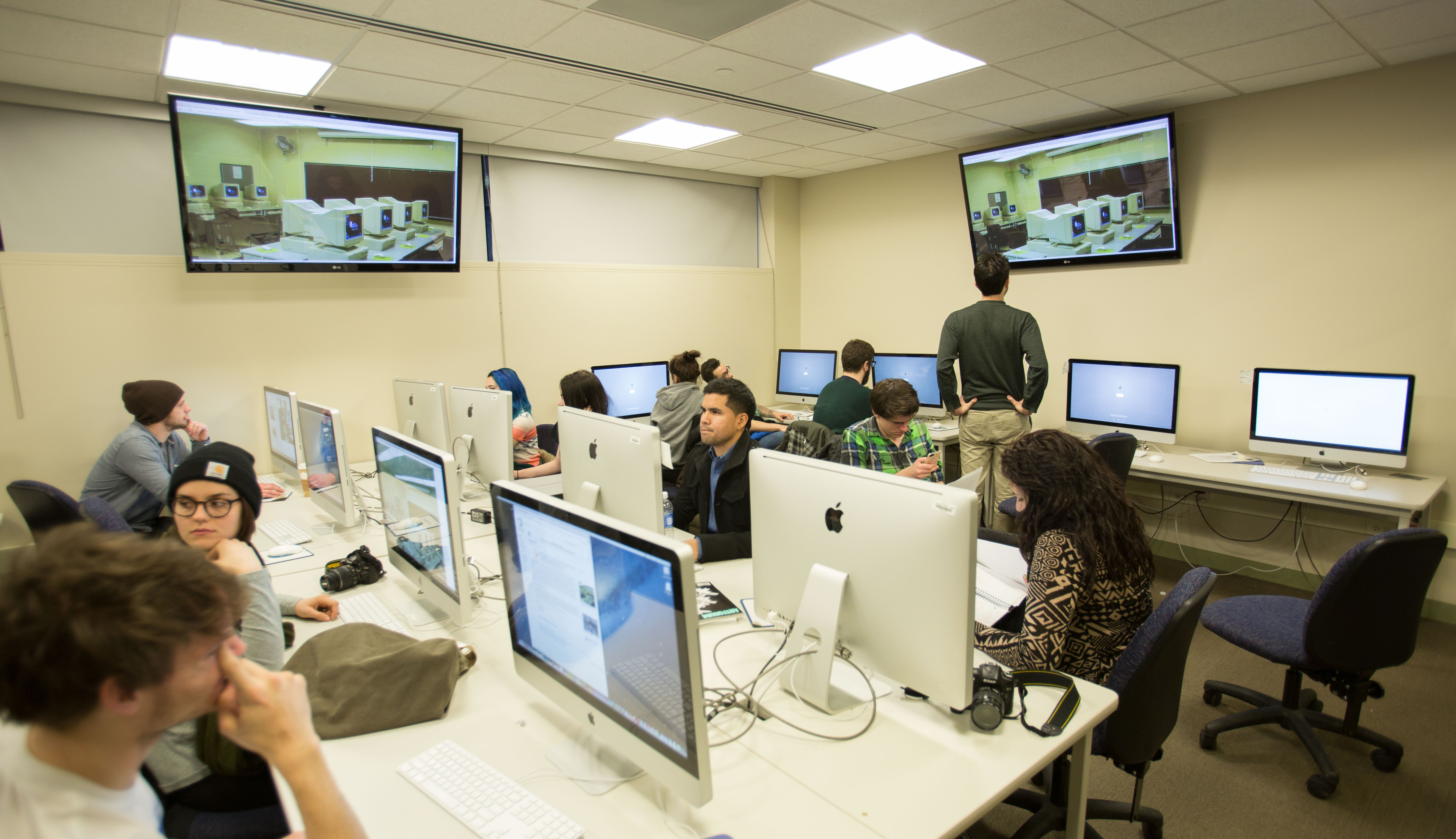
Le Monde described on July 11, 2026 a tech generation caught between AI enthusiasm, layoffs and insecure first jobs. This is not a side culture story; it is a labor-market signal.
What this is about
Le Monde published a unusually concrete look at Silicon Valley’s mood on July 11, 2026. The story is not about a new model, but about the people around the models: graduates, developers, founders and managers who both benefit from AI and fear it.
That is what makes the report strong. The labor market is often discussed abstractly, with curves, productivity promises and large CEO statements. Here, the effects of those curves become visible in real people: unanswered job applications, campus protests, burnout in engineering teams and the fear that the first job in a tech career may disappear before it begins.
What this shift actually does
AI is changing the entry logic of software and knowledge work. Tasks that junior employees used to learn on can now partly be handled by coding assistants, research agents or automation tools. That does not mean all jobs disappear. It does mean companies are less sure what they should hire entry-level workers for.
Le Monde also describes a paradox: companies are laying people off while recruiting expensive AI specialists. Teams are told to become more productive, but often do not know how the benefit will be measured. TrueUp shows that more than 166,000 people at tech companies have been affected by layoffs in 2026. Challenger, Gray & Christmas reported in May that AI had already been cited as a reason in 87,714 job cuts this year.
Why it matters
The tech labor market is an early signal. If entry-level workers, developers and managers there no longer understand which skills count, that uncertainty will later reach other sectors: consulting, marketing, law, administration, design and customer service.
The numbers also show that the debate is not only fear. Writer’s April 2026 report found that 29 percent of surveyed employees admitted sabotaging their company’s AI strategy in some form; among Gen Z, it was 44 percent. Gallup and the Walton Family Foundation reported that young people’s anger about AI rose to 31 percent within a year. That is not proof against AI. It is a warning against poor rollout.
In plain language
Think of a driving school where self-driving cars suddenly appear in the yard. Students ask: do I still need to learn parking? Instructors ask: what do I teach now? And the owners say: we still need humans who take responsibility, but nobody clearly explains what the new curriculum looks like.
A practical example
A software team of 80 people wants to speed up every routine task with AI in 2026. Previously, it hired 10 junior developers per quarter to fix bugs, write tests and maintain internal tools. Now senior developers do many of those tasks with agents. The company hires only 3 juniors.
In the short term, some metrics improve: a feature takes 14 days instead of 20, and small tickets close faster. After six months, gaps appear. Nobody has learned to maintain old systems systematically. AI-generated code needs more review. The few juniors get fewer learning opportunities. The company has not simply saved work; it has pushed training costs into the future.
Scope and limits
First, layoff numbers are not a pure AI measurement. Interest rates, pandemic-era overhiring, management mistakes and investor pressure also play a role.
Second, lower demand for entry-level roles does not automatically mean lower demand for people. It may also mean training, mentoring and quality control have to be redesigned.
Third, surveys about fear and sabotage are snapshots. They show mood and friction, but not how productive AI will actually be in every field five years from now.
SEO & GEO keywords
AI labor market, Silicon Valley AI jobs, tech layoffs 2026, Gen Z AI anxiety, software engineers AI, AI workplace adoption, Writer AI survey, Gallup Gen Z AI, Challenger layoffs, TrueUp layoffs
💡 In plain English
The AI wave is changing not only tools, but career paths. If companies automate junior tasks, they must explain how people will learn, grow and take responsibility in the future.
Key Takeaways
- →Le Monde published the primary story on July 11, 2026.
- →The report shows AI anxiety through graduates, developers and managers in Silicon Valley, not as an abstraction.
- →TrueUp counts more than 166,000 people affected by tech layoffs in 2026.
- →Challenger reported in May 2026 that AI had been cited in 87,714 job cuts this year.
- →The real risk is a labor market without clear entry and learning paths.
FAQ
Is this only about Silicon Valley?
No. Silicon Valley is an early signal for other knowledge jobs that may experience similar automation pressure.
Do the numbers prove AI destroys jobs?
No. Layoffs have several causes. But the numbers show that AI is now cited as a major factor in restructurings.
What should companies do differently?
They should explicitly redesign learning paths, quality control and responsibility instead of only demanding more AI usage.