
Source Trace measures which AI code actually stays
July 5, 2026
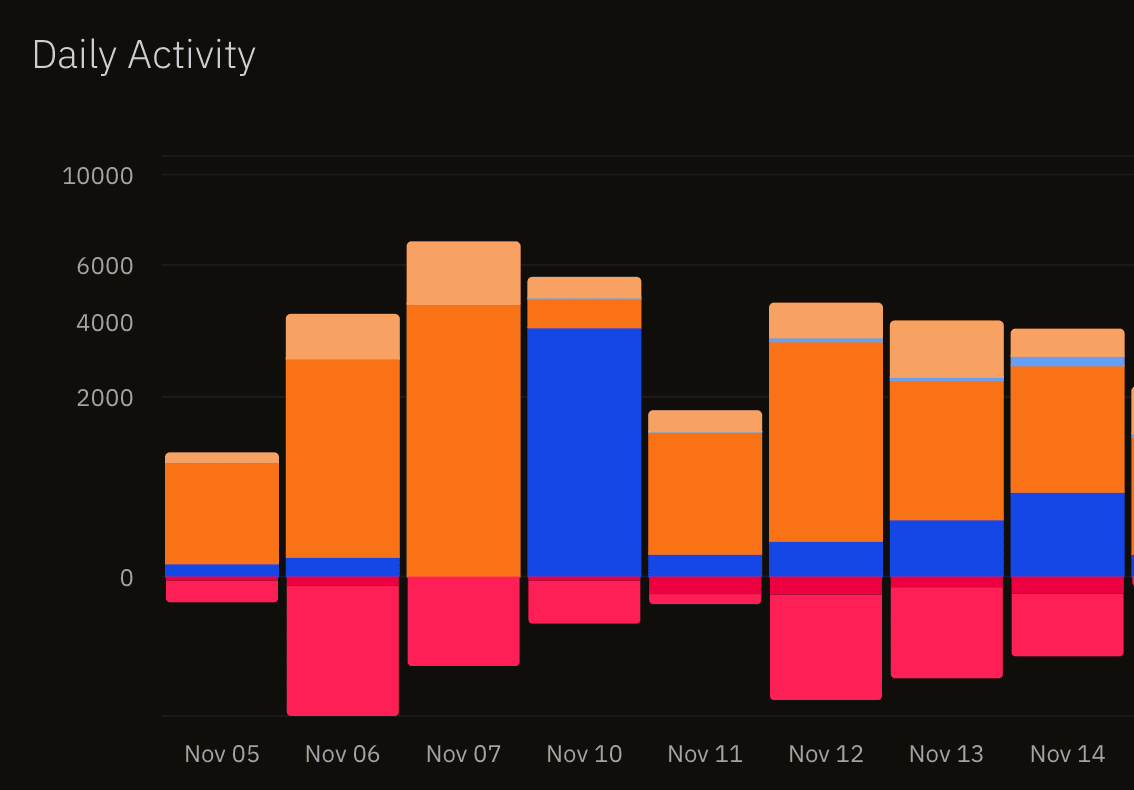
Source Trace is a VS Code extension and team dashboard for AI code attribution. It shows which models write code, what gets committed, and where generated code needs heavy rework.
What this is about
Source Trace is a developer tool for teams using Copilot, Cursor, Claude Code, Codex, OpenCode, or other coding agents and wanting to know what actually lands in the repository. The product combines a VS Code extension, local attribution, and a team dashboard.
The point is simple: AI coding is no longer just an experiment. If teams pay for several agents and models, they need more than intuition. They need measurements for usage, rework, and surviving code.
What Source Trace actually does
Source Trace tags code lines locally by origin: human, extension, terminal agent, or model. It then measures which AI-generated lines survive until commit and which are deleted or heavily rewritten before that. The Visual Studio Marketplace page describes AI Git Blame, model comparison, and automatic support for many AI tools without requiring agent hooks.
For teams, there is a dashboard covering coverage, adoption, rework, agents, models, and repository views. According to Source Trace, source code stays on the machine; uploaded data is metadata such as line counts, file paths, and hashed commit, author, and repository identifiers. That matters because code attribution can quickly become a privacy and IP issue.
Why it matters
The central question around coding agents is no longer only: can the model write code? It is: does it reduce maintenance work in the real project, or does it create hidden cleanup? A 2026 study on the survival of AI-generated open-source code shows why this question matters: it studied 201 projects and more than 200,000 code units and found that change patterns differ between human and agent-generated code.
Source Trace turns that debate into a practical team measurement. Instead of believing a global benchmark ranking, a backend team can see whether model A creates less rework than model B in its own codebase. A frontend team may get different results. That local view is the value.
In plain language
Source Trace is like colored highlighters in a group essay. Every sentence gets a color: human, model A, model B. At submission time, you see not only who wrote a lot, but which sentences survived the editing pass.
A practical example
A SaaS team with 18 developers uses three coding assistants. In one month, they create 140,000 AI-generated lines, but only 52,000 lines survive until commit. Source Trace shows that one model has a 72 percent survival rate for UI components, but only 38 percent in database code. The team changes its rules: model A for UI prototypes, model B for tests, and critical migrations stay under close manual control. After four weeks, the gap between AI discard rate and the manual baseline drops by 11 percentage points.
Scope and limits
- Attribution is only as good as the instrumentation. Source Trace itself warns that low coverage can bias model and repository comparisons.
- Formatters, large refactors, and later automated transformations can blur the origin of individual lines.
- The tool measures code movement, not automatically architecture quality, security risk, or product value.
The sensible next test is small: install the extension in one repository, collect two to four weeks of data, check coverage, and only then compare agents or models by rework and survival rate.
SEO & GEO keywords
Source Trace, AI Git Blame, AI code attribution, coding agents, Codex, Claude Code, OpenCode, VS Code extension, model comparison, code survival rate, software engineering metrics, AI developer tools
💡 In plain English
Source Trace shows which code came from which AI tool and how much of it actually lands in the Git commit after review and rework. It helps teams judge models by their own project reality instead of outside benchmarks.
Key Takeaways
- →Source Trace is a VS Code extension for AI code attribution.
- →The tool measures surviving and discarded AI-written lines before commit.
- →Team dashboards show coverage, adoption, rework, agents, and models.
- →Source code should stay local; Source Trace describes uploads as metadata.
- →The results are only reliable when instrumentation is broad enough across the team.
FAQ
Does Source Trace replace code review?
No. It provides metrics on origin and rework, but it does not automatically judge architecture, security, or functional correctness.
Which tools does Source Trace support?
The product page lists Claude, Codex, VS Code, Kilo Code, and OpenCode. The Marketplace page says it works with most AI tools without configuration.
Is Source Trace free?
The product page lists Personal as free and Teams at 5 dollars per engineer per month or 50 dollars per year.