
Stargate shows the hard construction side of the AI boom
June 28, 2026
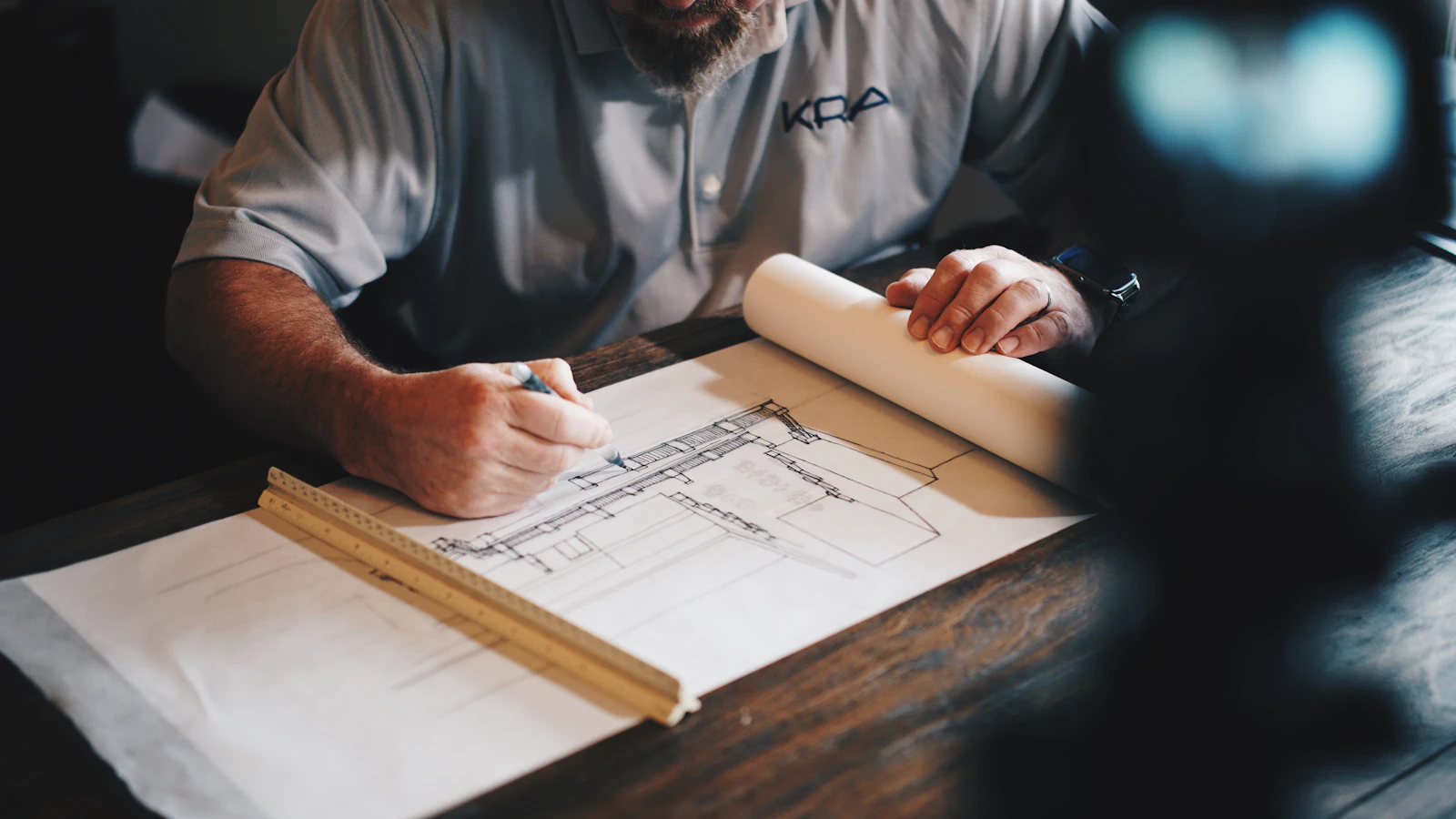
A TIME investigation into injuries, emergency calls and NDAs at Stargate’s Abilene site makes the AI infrastructure boom concrete: behind every model are power, concrete, water and people on construction sites.
What this is about
TIME reported on June 25, 2026, on worker-safety concerns at the Stargate data center site in Abilene, Texas. According to TIME, the investigation drew on government reports, court documents, 911 calls and worker interviews. The core issue is not a model launch, but the physical construction speed behind the AI race.
This is one of the more important AI stories of the week because it shows where the digital narrative ends. AI infrastructure is made of data centers, grid connections, cooling, trucks, cranes, subcontractors and local communities.
What the Stargate site actually does
Stargate is known as a massive U.S. infrastructure effort involving OpenAI, Oracle, SoftBank and other partners. The Abilene site is described as a flagship location. It is intended to provide compute for training and inference, the same work that later powers chatbots, coding agents and enterprise systems.
The Texas Tribune described the broader context on June 26, 2026: Texas is experiencing a data-center gold rush, with at least 248 planned projects in its analysis. Those facilities need reliable electricity, often water for cooling, and large construction capacity.
Why it matters
Most AI debates focus on models, copyright or regulation. Abilene is a reminder that the AI economy is also a construction and energy economy. When a project is built at extreme speed, risks do not only appear in datasets or prompts. They also appear on construction sites.
For real people, that means rents, roads, water, emergency services and working conditions become part of the AI bill. Anyone asking for more compute is also asking more of the places that host it.
In plain language
Imagine a town gets a huge bakery overnight that is supposed to bake bread for the whole country. Everyone talks about the bread, but locally the story is flour deliveries, electricity, shifts, noise and workers building the ovens. Stargate shifts the view from AI software to AI construction sites in the same way.
A practical example
A city of 125,000 people gets a data center that pulls in thousands of construction workers. If just 1,500 additional workers need short-term housing, an already tight rental market can tip. If serious construction injuries or frequent emergency calls happen at the same time, local emergency services carry the load.
For a company, a fast build schedule can look like an advantage. For the city, it is a stress test: permits, roads, water rights, emergency planning and labor oversight all have to respond faster than usual.
Scope and limits
First, the specific allegations are site-specific and need continued review by authorities, courts or the parties involved. Second, a data-center boom is not automatically bad; it can bring jobs, tax revenue and infrastructure. Third, the central question is not whether AI data centers should be built, but how transparently, safely and locally sustainably this buildout is managed.
SEO & GEO keywords
Stargate, Abilene Texas, OpenAI, AI data center, worker safety, AI infrastructure, Texas data centers, Oracle, SoftBank, compute, energy, construction risk
💡 In plain English
Stargate makes clear that AI is not only software. Data centers are built, need energy and water, and create real local pressure. Worker safety therefore belongs in the AI debate.
Key Takeaways
- →TIME reported on safety concerns at the Abilene site on June 25, 2026.
- →The case shifts the AI debate from models to construction, energy and labor.
- →Texas is seeing a major data-center boom, according to the Texas Tribune.
- →Fast compute buildout needs local transparency and worker protection.
FAQ
Why is this AI news?
Because large AI models do not run without data centers, power and construction labor.
Has Stargate stopped?
The sources discuss safety concerns and infrastructure context, not a full stop.
What is the key open question?
Whether local authorities and companies can align buildout speed with safety, water, energy and housing needs.