
Taiwan turns AI chip smuggling into an export-control stress test
July 1, 2026
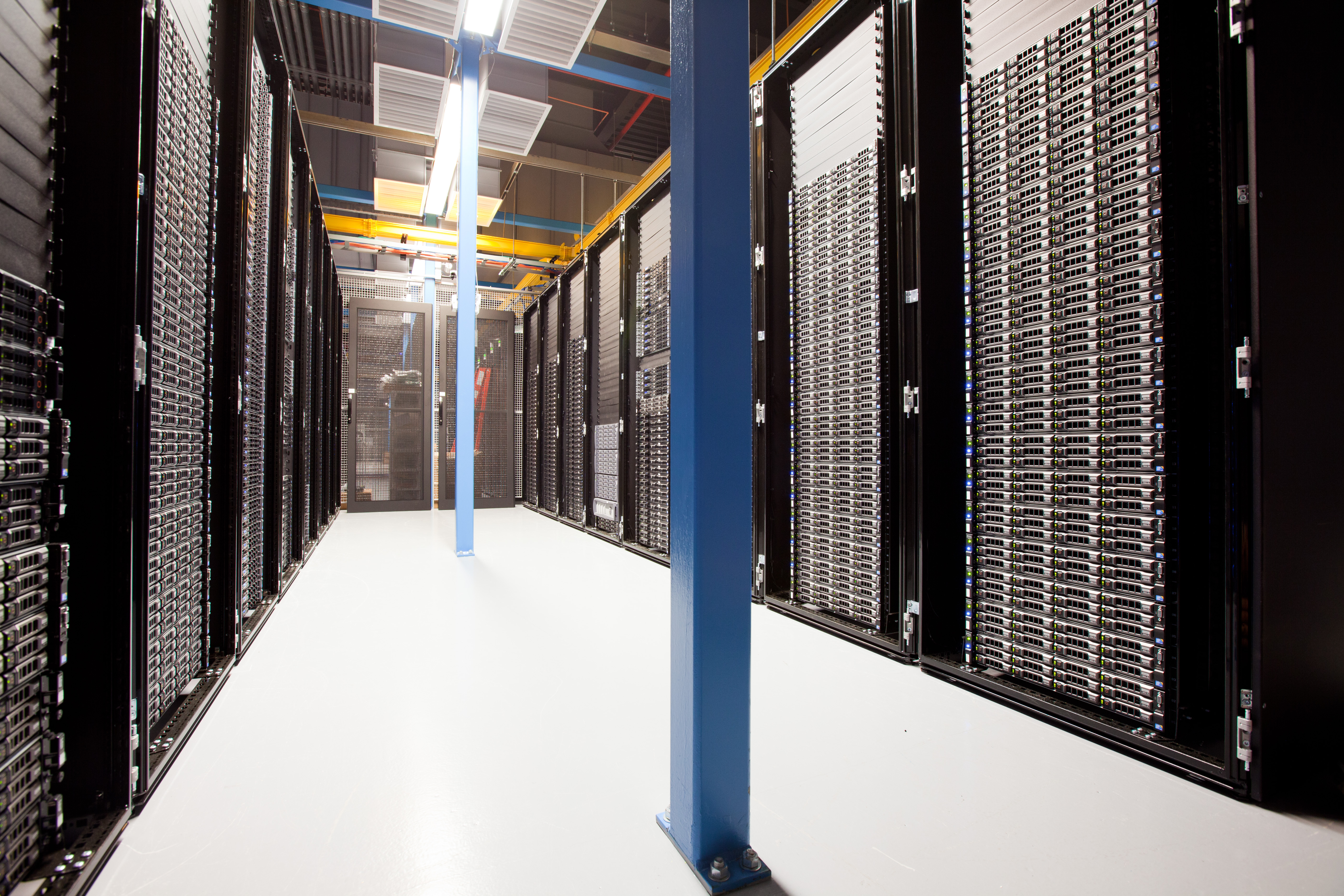
Raids involving Super Micro, Albatron, and Chief Telecom show how hard AI chip export controls are to enforce across real supply chains.
What this is about
Taiwanese investigators have widened a probe into AI servers allegedly diverted to China, Hong Kong, and Macau. The case centers on Super Micro servers containing advanced Nvidia accelerators, several company sites, and, according to local reporting, a growing group of detained or investigated people.
This is more than a single compliance story. It shows that export controls for AI chips are enforced not only at borders, but also through invoices, cargo descriptions, distributor chains, and local criminal law.
What the raids actually show
According to CNA, AFP/Asharq Al-Awsat, and Taipei Times, Keelung prosecutors searched Super Micro's Taiwan location, Albatron Technology, Chief Telecom, and other sites on June 29, 2026. The suspected scheme involves about 50 high-end servers with Nvidia chips that may have been resold or exported using false documents.
The legal gap matters. Violating U.S. export controls is not automatically the same criminal offense under Taiwanese law. Prosecutors therefore appear to be relying on document forgery, breach of trust, or similar offenses, while politicians are calling for a tighter chip clause in trade law.
Why it matters
AI compute has become geopolitical infrastructure. Whoever controls high-end GPUs influences which labs, cloud providers, and states can train or run large models. If restrictions can be bypassed through middlemen and re-exports, export rules lose practical force.
For companies, the case is a warning: a manufacturer can cooperate formally and still end up in an investigation when products flow into grey markets. For customers, it means more due diligence, longer supply-chain checks, and possibly tighter availability in sensitive regions.
In plain language
Think of a medicine cabinet with access restrictions. The lock on the door does not help much if someone first moves the packages legally into the next room and then changes the labels. The real control has to see what happens after the first sale.
A practical example
A data-center operator orders 50 servers for a claimed local project. Each server contains several accelerators valuable for model training or inference. If that shipment is then resold through a distributor and a transit country, one order can move millions of dollars worth of compute capacity.
Scope and limits
First, the allegations have not been proven in a final court judgment. Some of the affected companies have said they are cooperating with investigators.
Second, not every export to China is automatically a Taiwanese criminal offense. That legal gap is part of the story.
Third, more control does not solve everything by itself. Poorly designed rules can also hit legitimate research, maintenance, and spare-parts supply.
SEO & GEO keywords
Taiwan, Nvidia, Super Micro Computer, AI chips, chip smuggling, export controls, China, Albatron Technology, Chief Telecom, Keelung prosecutors, semiconductor supply chain, AI infrastructure
💡 In plain English
Taiwan is investigating whether high-end Nvidia servers were diverted to China through false paperwork. The case shows that AI export controls only work when supply chains, local laws, and company compliance line up.
Key Takeaways
- →Taiwanese investigators searched several sites tied to Super Micro, Albatron, and Chief Telecom.
- →The case centers on roughly 50 servers allegedly containing advanced Nvidia chips.
- →It exposes a gap between U.S. export controls and Taiwanese criminal law.
- →For AI infrastructure, supply-chain control is becoming a strategic risk.
FAQ
Has Super Micro been convicted?
No. These are investigations and allegations. Several companies say they are cooperating with authorities.
Why does this matter for AI?
Advanced GPUs determine who can train and run large models. Grey-market routes can weaken export controls in practice.
What is the open legal question?
Whether Taiwan will align its trade and criminal rules more closely with U.S. export-control goals for high-end chips.
Sources & Context
- CNA: Prosecutors search Super Micro, Albatron and Chief Telecom in Nvidia server case
- Asharq Al-Awsat / AFP: Taiwan raids tech firms in China AI chip smuggling probe
- Taipei Times: Tech execs held in China chip smuggling case
- TNW: Super Micro Taiwan raid as Nvidia chip smuggling probe widens
- Wikimedia Commons image: Wikimedia Data Center Server Aisle